In this guide
Choosing the right wood stain can protect and elevate furniture for years. This guide highlights five top picks that balance color depth, durability, and ease of use. Each product below is well-suited to common American furniture projects, from tables and dressers to cabinets and trim. Whether you want quick-drying options, restoration finishes, or reliable touch-up tools, these stains cover a range of needs and wood types. Use the table below for a quick snapshot, then explore detailed sections to match your project goals.
| Product | Brand | Finish / Color | Type | Key Benefit |
|---|---|---|---|---|
| Furniture Clinic Wood Stain – Dark Oak | Furniture Clinic | Dark Oak (multi-color line) | Water-based stain | Fast drying; versatile on many wood surfaces; one-coat color visibility |
| Varathane Premium Fast Dry Wood Stain – Dark Walnut | Varathane | Dark Walnut | Oil-based stain | One-coat coverage; quick dry; strong interior color |
| Minwax Wood Finish – True Black | Minwax | Black | Oil-based stain | Deep, rich color; enhances grain; fast drying |
| DWIL Water Based Wood Stain – Black Walnut | DWIL | Black Walnut | Water-based stain | One-coat coverage; low odor; safe for indoor use |
| HOWARD Restor-A-Finish – Walnut | HOWARD | Walnut | Finish-penetrating restoration | Blends scratches and stains; wipe-on, wipe-off; nine color choices |
Furniture Clinic Dark Oak Wood Stain

Furniture Clinic Wood Stain is a versatile, water-based option designed for interior wood surfaces such as furniture, cabinets, and trim. The formula dries quickly, helping minimize downtime between coats, while delivering a smooth, even color. It’s available in a broad color range, making it easier to match or refresh existing finishes. The product emphasizes a low-odor, environmentally friendlier approach compared with solvent-based stains, which can be a deciding factor for home workshops or living spaces close to project areas.
Application emphasizes accessibility: use on various wood types, with a focus on achieving even color penetration. The stain is designed to work with existing finishes, enabling color refresh without a full refinishing, and is suited for DIY touch-ups on scratch-prone surfaces like tabletops, chairs, and decorative trim. Color matching across pieces becomes more practical thanks to the broad color palette and visible one-coat coverage claim.
Varathane Premium Fast Dry Wood Stain – Dark Walnut

Varathane Premium Fast Dry Wood Stain is a classic interior stain with an oil-based formula designed for durability and rich color. It offers one-coat coverage and dries to the touch quickly, which helps speed up project timelines. Ideal for furniture, cabinets, doors, and trim, this stain penetrates wood effectively, delivering a deep, uniform color that enhances the natural grain. The fast-drying nature makes it a popular choice for hobbyists and professionals alike who need dependable results without extended downtime between coats.
For projects that require smooth results on larger surfaces, this stain provides reliable application with brush or cloth and long-lasting color. While it is oil-based, proper ventilation and careful cleanup are advised. The Deep Walnut shade is a versatile option that complements warm wood tones as well as stain-primed or newly prepared surfaces, helping achieve a classic, durable finish on furniture pieces that see daily use.
Minwax Wood Finish True Black
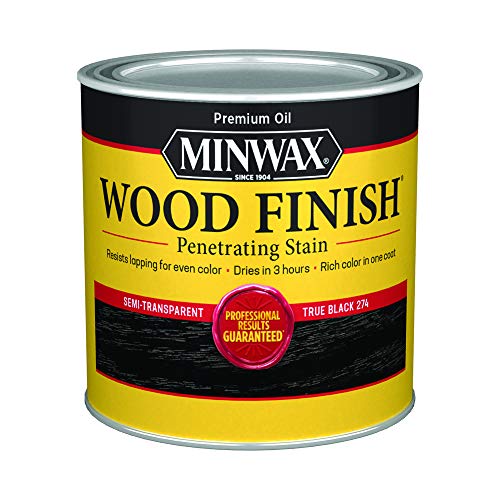
Minwax Wood Finish True Black is an oil-based stain designed to deliver a deep, rich black that highlights grain patterns on interior furniture, cabinets, doors, and trim. It penetrates wood pores quickly, with color developing in minutes and the option to recoat after a short dry period to deepen the shade. The product’s oil base ensures strong adhesion and a robust color, making it a reliable choice when you want a bold, dramatic look or a modern contrast against lighter woods.
Usage is straightforward: apply with a cloth or brush along the grain, wipe off excess, and allow drying time before applying additional coats for darker tones. The stain’s standout feature is its ability to produce an even, uniform finish that resists blotching on many hardwoods, provided the surface is properly prepared and primed beforehand.
DWIL Water Based Wood Stain – Black Walnut

DWIL’s water-based wood stain emphasizes a single-coat approach to delivering a natural, matte finish with visible texture enhancement. The water-based formula dries quickly and provides even color penetration for interior and exterior projects such as furniture, cabinets, trims, and paneling. The stain’s low odor and non-toxic composition make it a practical option for spaces with limited ventilation or sensitive occupants, while remaining suitable for a wide range of woods.
In practice, DWIL is praised for easy application and consistent results. The color Black Walnut offers a rich, versatile tone that pairs well with mid-century modern to traditional wood tones. For projects where quick turnarounds and minimal cleanup matter most, this stain provides a dependable balance of color depth, ease of use, and safety considerations.
HOWARD Restor-A-Finish – Walnut

HOWARD Restor-A-Finish is a unique finish-penetrating formula designed to restore wood finishes and blend out minor scratches, blemishes, and abrasions. It offers nine color options to match a wide range of wood hues, with a simple wipe-on, wipe-off process that can refresh several finished surfaces in minutes. This product is particularly suited for furniture, trim, and other finished wood where full refinishing would be unnecessary or undesirable.
Restor-A-Finish emphasizes restoration rather than removal of existing finishes, making it useful for antique or heirloom pieces where preserving original patina is important. While it doesn’t replace a complete refinishing job, it provides a practical, low-effort option to revitalize tired finishes and extend the life of furniture without heavy labor or disruption to surrounding rooms.
Buying Guide
When selecting a wood stain for furniture, consider how you will use it, the wood type, and the desired end result. The following factors help compare options and align features with project goals.
- Base and odors: Oil-based stains typically provide deeper color and longer durability but require ventilation and longer cure times. Water-based stains dries quickly, with lower odor and easier cleanup, ideal for indoor spaces and projects requiring shorter downtime.
- Wood type and existing finish: Softer woods (like pine) can bleed or blotch with certain stains; pre-sanding and conditioning often helps. For finished or stripped surfaces, select a stain compatible with the existing finish or a restoration product designed to blend in.
- Color range and depth: Choose colors that complement your room’s palette. Dark walnuts and blacks offer high-contrast, modern looks, while oak tones and walnut hues provide traditional warmth.
- One-coat coverage vs multiple coats: Some products advertise one-coat color visibility, which is convenient for quick refreshes. Others may benefit from light sanding between coats for even depth and uniform finish.
- Drying time and recoat window: Fast-drying formulas save time, but allow less time to correct mistakes. Plan coats and allow adequate curing before use of the furniture.
- Finish type and practicality: Matte or satin finishes emphasize natural grain, while glossier finishes highlight depth and provide easier cleaning. Consider a final topcoat if long-term durability is required.
- Safety and indoor suitability: Low-odor, non-toxic, and water-based options reduce exposure in living spaces and homes with pets or children.
- Touch-ups and restoration: For legacy pieces, restoration products like Restor-A-Finish can blend wear without full refinishing, preserving character while refreshing appearance.
For multi-piece projects, balance coverage, color consistency, and drying times. If you expect frequent use and contact, a stronger topcoat (urethane or polyurethane-based finish) after staining can protect against wear. For furniture with intricate profiles, spray options may offer even coverage in recesses, while brushes or cloth application suits flat surfaces with careful blending. Always test a small, inconspicuous area first to confirm color match and finish behavior before committing to the entire piece.