In this guide
- Walnut Live Edge Table Top
- Teak Live Edge Coffee Table
- Cedar Live Edge Console Table
- Olive Wood Slab Set (Live Edge)
- Fortmaine Live Edge Dining Table
- Hairpin Live Edge Console Table
- Buying Guide
- Key purchase considerations
- Live edge authenticity and finish
- Sizing, thickness, and structural support
- Maintenance and longevity
- Sustainability and budget considerations
- Practical wood comparisons
Live edge tables celebrate the natural character of wood, with one irregular edge that preserves the tree’s story. The best wood choices balance beauty, durability, and workability to create a centerpiece that lasts for generations. The options below focus on five popular live edge woods—walnut, teak, cedar, olive, and acacia—each offered by trusted brands and finished for everyday use. Explore quick facts in the summary table, then read full product highlights to compare finishes, sizes, and construction approaches. This guide also covers key considerations to help you choose the right wood for your space.
| Product | Wood Type | Size / Notes |
|---|---|---|
| Walnut Live Edge Table Top | Walnut | 27″ D x 60″ W; UV finish |
| Teak Live Edge Coffee Table | Teak | Round live-edge tabletop; natural finish |
| Cedar Live Edge Console Table | Cedar | 13″ D x 42″ W x 33″ H; natural contours |
| Fortmaine Live Edge Dining Table | Acacia | Natural live edge; seats up to 6 |
| Hairpin Live Edge Console Table | Live Edge Wood (varies) | 48″ L x 16″ W; metal hairpin legs |
Walnut Live Edge Table Top

This item is crafted from 100% solid walnut, delivering enduring strength and a premium finish. The live edge preserves the tree’s natural contours, ensuring each top is one-of-a-kind. A UV-protective coating guards against water, stains, and scratches, while remaining free from VOCs and harsh chemicals for a smoother, low-maintenance surface. At 27 inches deep and 60 inches wide, it functions well as a dining surface, desk, or countertop centerpiece in upscale spaces. Its robust construction supports daily use while showcasing the rich, dark grain typical of walnut.
Teak Live Edge Coffee Table

This round coffee table is handmade from real teak slabs and puzzle-joined for a seamless, one-of-a-kind live edge look. Teak is renowned for its density and durability, making it a practical choice for daily living rooms and lounges. The natural finish highlights warm tones and rich grain, complementing rustic, boho, coastal, and modern decor alike. The live edge retains the tree’s organic shape, offering a warm centerpiece that pairs well with a variety of seating arrangements and interior styles.
Cedar Live Edge Console Table

WELLAND’s cedar live edge console table emphasizes natural cedar contours preserved by skilled craftsmanship. Hand-selected materials and careful joining highlight authenticity and warmth, with a shape that respects the wood’s natural characteristics. This versatile piece is well-suited for living rooms, entryways, or bedrooms, delivering an earthy, rustic aesthetic. The cedar’s lighter hue and pronounced grain create a relaxed look, while the live edge maintains a bold, organic silhouette that remains a focal point in any space.
Olive Wood Slab Set (Live Edge)

Skilled hands offers olive wood slabs intended for DIY and epoxy river table projects. The set includes two pieces, presented in a bright, distinctive olive tone with clear grain patterns. Olive wood is prized for its unique color and figure, making it ideal for artistic, statement pieces or custom builds. This option is best for builders seeking a high-contrast centerpiece or a showpiece crafted to their exact dimensions, with the potential for dramatic epoxy accents that emphasize the wood’s natural edge.
Fortmaine Live Edge Dining Table

Signature Design by Ashley presents a contemporary dining table with a natural live edge crafted from acacia wood. The solid tabletop and its organic edge pair a light wood-tone finish with a modern silhouette, designed to seat up to six. This piece blends simplicity with warmth, making it adaptable for both casual everyday meals and more refined dining experiences. The live edge adds character while maintaining a clean, versatile aesthetic suitable for a range of color palettes and interior styles.
Hairpin Live Edge Console Table
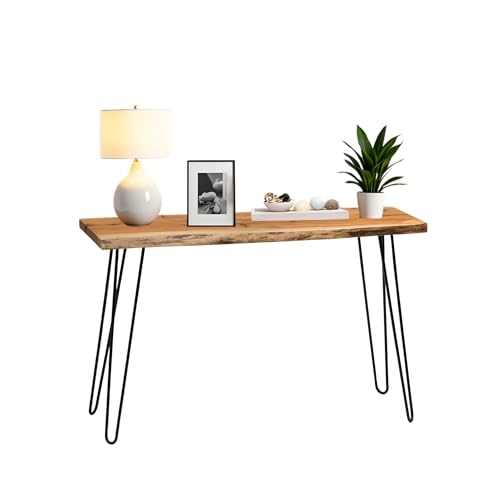
The Hairpin Natural Live Edge Wood Media Console Table combines a real live edge wood top with sleek metal hairpin legs for a striking contrast. This versatile piece can function as an entryway table, sofa console, or living room surface. Its live edge preserves the wood’s natural contour, delivering a rustic yet contemporary appeal that complements industrial or modern interiors. Durability stems from a sturdy construction that supports everyday use while maintaining the distinctive, organic edge that defines live-edge design.
Buying Guide
Key purchase considerations
Choosing the right live edge wood involves weighing appearance, durability, maintenance, and how the wood reacts to moisture and wear. Harder species like walnut and teak resist dents and scratches, while cedar offers a lighter look with natural warmth. Consider how the wood’s color and grain will interact with your existing furniture, flooring, and lighting. Finishes matter: UV-protective coatings, water resistance, and low-VOC options influence long-term look and safety in homes and offices. Availability and sourcing affect price and sustainability, so verify the wood’s origin when possible.
Live edge authenticity and finish
Authenticity matters for the “live edge” aesthetic. Some pieces preserve the original bark and contour, while others feature a gently sanded edge that hints at nature without excessive irregularity. Finishes vary from natural oils to sealants that enhance grain while providing moisture protection. If you have pets or kids, look for finishes that resist scratches and staining. For damp environments, consider woods and finishes with higher moisture resistance to reduce warping and edge cracking over time.
Sizing, thickness, and structural support
Live edge tables should have a sturdy core and appropriate thickness to prevent warping. Larger tops benefit from robust support, such as reinforced legs, brackets, or a central base. If using a countertop or dining surface, ensure the thickness and edge profile suit daily use, seating capacity, and weight concerns. Measure available space carefully to balance legroom, chair clearance, and visual balance with surrounding furniture.
Maintenance and longevity
Regular cleaning with a soft cloth and mild oil or wood-safe cleaner helps maintain the surface. Wipe up spills promptly to minimize staining. Reapply protective finishes as recommended by the manufacturer to refresh UV protection and moisture resistance. Avoid prolonged water exposure, and use coasters or placemats on meals or beverages. For live edges, gentle care is essential to preserve edge contours and prevent small sections from chipping or cracking over time.
Sustainability and budget considerations
Many live edge pieces come from sustainably harvested or reclaimed sources. Look for certifications (like FSC or similar) and inquire about sourcing practices. Wood type affects cost and maintenance: teak and olive woods may command higher prices due to density and rarity, while cedar and acacia often offer more affordable options. Design goals, durability requirements, and maintenance willingness should guide your choice as much as aesthetics and space considerations do.
Practical wood comparisons
- Walnut: Rich, dark grain with excellent durability; classic, versatile for formal or contemporary spaces.
- Teak: Dense, durable, and naturally oily; ideal for high-traffic areas and environments with varying humidity.
- Cedar: Lighter color with a distinctive scent and grain; more rustic, warm, and budget-friendly.
- Olive: Striking grain and color; highly decorative and unique; typically more premium.
- Acacia: Strong, versatile, blends well with various styles; mid-range in cost and maintenance.
When planning a live edge project, align wood choice with room style, climate, maintenance tolerance, and budget. A well-chosen piece can become a timeless centerpiece, aging gracefully while retaining character and function. Always verify product dimensions, finish specifications, and warranty terms before purchase to ensure the wood meets your performance and design needs.