In this guide
- QuietWarmth Float 7.5 Sq Ft Mat For Wood Floors
- HeatTech 30 Sq Ft Electric Floor Heating Mat Kit
- LuxHeat 20 Sq Ft Floor Heating Kit
- QuietWarmth Float 75 Sq Ft 240V Mat
- QuietWarmth Float 2-in-1 50 Sq Ft Mat
- Buying Guide
- Key considerations for wood flooring over radiant heat
- Voltage, heat output, and zoning
- Installation considerations
- Safety features and certifications
- Warranty and service
- Material health and comfort
Choosing wood flooring that performs well over radiant heat requires understanding how electric floor heating mats interact with floating and thin-set installations. The right system can deliver comfortable warmth without damaging your substrate or impairing longevity. This guide highlights five reliable mats designed to work under wood, laminate, or floating floors, focusing on safe electrical features, installation flexibility, and energy efficiency. The selections below balance coverage area, voltage options, and user-friendly installation, helping homeowners achieve warm, beautiful wood floors year-round.
| Product | Coverage | Voltage | Notes |
|---|---|---|---|
| QuietWarmth Float 7.5 Sq Ft Mat | 7.5 sf | 120V | Floating-floor friendly; cut to length; wide mat cannot be narrowed; energy saver. |
| HeatTech 30 Sq Ft Kit | 30 sf | 120V | Adhesive backing; red mesh backing; programmable thermostat; 12W/sf. |
| LuxHeat 20 Sq Ft Kit | 20 sf | 120V | Self-adhesive mat; programmable thermostat; GFCI; must be embedded in underlayment. |
| QuietWarmth Float 75 Sq Ft Mat | 75 sf | 240V | Two-mat-in-one versatility; cut length to fit; energy efficient. |
| QuietWarmth Float 50 Sq Ft 2-in-1 Mat | 50 sf | 240V | Lead wires on both ends; can be split for layout; floating-floor friendly. |
QuietWarmth Float 7.5 Sq Ft Mat For Wood Floors

The QuietWarmth Float QWARM1.5X5F120 is designed to add warmth and comfort to floating floors, including wood and laminate. It pairs well with 4mm+ thick luxury vinyl, engineered wood, and floating tile. Installation is quick and clean—no mortars or self-leveling needed, and the mat can be cut to length to fit your room. A key benefit is energy efficiency: QuietWarmth uses up to 50% less power than traditional wired systems, potentially keeping daily runtime economical. Note that the mat width cannot be narrowed, which may influence room layout planning. The kit supports a simple layout for bedrooms and living spaces where a floating floor is preferred.
From an installation standpoint, this mat is especially suitable for retrofit projects under floating wood floors. Homeowners should verify your subfloor and underlayment compatibility, ensuring the mat is properly positioned to avoid air gaps and to prevent pinching of the heating elements. The 120-volt system is straightforward for standard household circuits, with enough reserve for a comfortable ambient temperature during cooler months. This option is ideal for smaller rooms or zones where underfloor warmth is desired without a full-floor system.
HeatTech 30 Sq Ft Electric Floor Heating Mat Kit

The HeatTech 30 Sq Ft Kit provides a comprehensive radiant floor solution for tile, stone, marble, laminate, vinyl, and wood. It uses a 120V system with a 3.0-amp load and 360-watt peak power, delivering about 12 watts per square foot. The red mesh backing is designed to stay flat and can be cut to turn corners, facilitating layout. The kit includes an AUBE TH115-AF-120S digital, seven-day programmable thermostat and floor sensor, providing precise temperature control. The cable is slim (about 1/8 inch) and comes with a 10-foot cold lead. The kit supports zero EMF claims, contributing to a safer indoor environment. When planning installation on wood or laminate floors, ensure the substrate is suitable for thin-set or self-leveler if necessary.
Consider this kit when you want a larger, evenly heated area and a thermostat with programmable scheduling. The system is designed for installations beneath a variety of floor coverings, including woods, and can integrate with smart home components depending on the thermostat. However, it is essential to follow manufacturer guidance on spacing, surface preparation, and the use of a leveling compound to prevent damage to the heating elements.
LuxHeat 20 Sq Ft Floor Heating Kit

LuxHeat’s 20 Square Foot Floor Heating Kit offers a compact yet effective radiant solution for under tile, laminate, and wood floors. The kit includes a self-adhesive 3-inch pre-spaced heating mat, monitoring and alarm systems, and the UDG-4999 programmable thermostat with a floor sensor and built-in GFCI. The mat’s adhesive mesh on one side allows straightforward installation, and double-sided tape on the other helps secure the mat to the subfloor. Important installation notes include not cutting the red heater wire and embedding the mat within a self-leveling underlayment or mortar to ensure consistent heat transfer. The LuxHeat warranty emphasizes long-term reliability.
This option is suitable for zones where a balance of warm comfort and subtler, energy-conscious operation is desired. Because it is designed for tile and laminate with wood-friendly installation guidelines, it can be a strong choice for partial-room applications or bathrooms adjacent to wood floors. The thermostat’s floor sensing feature helps prevent overheating beneath wood floors, preserving the surface over time.
QuietWarmth Float 75 Sq Ft 240V Mat
The QuietWarmth Float QWARM3X25F240 is designed for larger installations under floating wood or laminate floors, offering a generous 75 square feet of heating area at 240 volts. A key feature is its two-mat-in-one capability, with lead wires on both ends so you can cut the mat into two sections and use both pieces as your layout requires. Like other QuietWarmth products, it’s compatible with floating floor systems and does not require mortar or self-leveling. The mat is cuttable to fit irregular room shapes, helping you reach consistent warmth without a bulky installation.
Energy efficiency remains a highlight; 240-volt mats typically deliver higher heat output with careful control to minimize consumption. For wood floors, ensure your subfloor and underlayment are suitable for heated installations and that the mat is properly covered by a compatible floor covering or leveling compound. The installation should consider room temperature uniformity and potential heat stratification to avoid hot spots under large wooden planks.
QuietWarmth Float 2-in-1 50 Sq Ft Mat
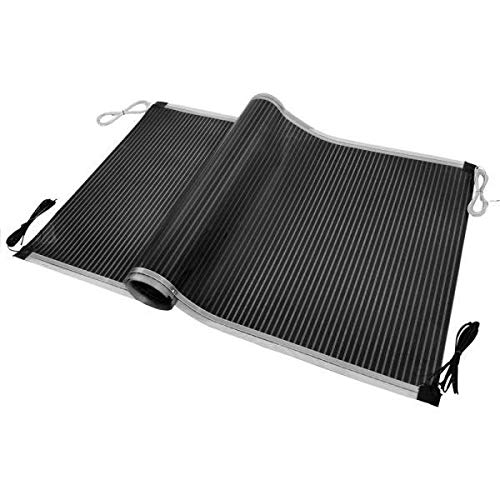
The QuietWarmth Float 3×16.7′ 240V mat is marketed as a 2-in-1 solution, offering two cut-length mats in one. It provides 50 square feet of heated area at 240 volts and has lead wires at both ends, enabling flexible layout configurations. The mat is designed for floating floors and is easy to install without mortars or leveling compounds. As with the other QuietWarmth mats, ensure the floor structure and subfloor are suitable for radiant heating and that the mat width and length are aligned with the room’s dimensions. This option suits larger spaces where even, zone-based warmth matters in wood or engineered wood floors.
Maintenance and performance features include reduced energy consumption compared with traditional wired systems and straightforward operation through compatible thermostats. When planning a wood-floor installation, consider spacing and depth constraints, and verify that finished flooring thickness is compatible with the mat’s heat output and the chosen thermostat’s capabilities.
Buying Guide
Key considerations for wood flooring over radiant heat
Compatibility with floating and wood floors is essential. Mats designed for floating floors minimize transfer to the substrate, reducing risk to engineered or plank wood. Look for systems marketed as suitable for laminate, engineered wood, or floating tile, and verify that the installation method (adhesive backing, self-adhesive mesh, or underlayment integration) aligns with your floor type and underlayment.
Voltage, heat output, and zoning
Most residential systems for wood floors operate at 120V or 240V. 120V mats are generally suited for smaller areas or zones, offering steady warmth with modest power draw. 240V mats deliver higher heat output and are better for larger spaces, but require appropriate electrical circuits and safety measures. Consider zoning strategies to heat only occupied areas and avoid overheating wood floors.
Installation considerations
Read subfloor requirements and whether the mat must be embedded in self-leveling underlayment or mortar. Some products include adhesive backings or mesh for easy placement, but many require leveling compounds to ensure even heat distribution. Ensure walls, doorways, and joists do not obstruct mat placement, and plan for thermostat sensor placement to achieve accurate temperature control.
Safety features and certifications
Choose mats with thermostat controls, floor sensors, and ground-fault protection where applicable. A digital thermostat that supports scheduling helps maintain comfortable temperatures while maintaining energy efficiency. UL or CSA listings provide assurance of electrical safety for indoor use.
Warranty and service
Warranty length and conditions matter for long-term reliability. Some brands emphasize decades-long warranties on heating elements or mats, along with a warranty on thermostats and sensors. Review what counts as improper installation versus covered defects, and verify the availability of customer support should installation issues arise.
Material health and comfort
Look for low EMF claims, stable heat distribution, and heat that remains within manufacturer-recommended surface temperatures. Under wood floors, consistent, moderate heat preserves wood finish and minimizes warping risks. Balance warmth targets with comfort expectations to maintain a natural, inviting living space.
>