Best Toilet Paper for Old Pipes: Septic-Safe Choices for Low-Flow Homes
Choosing the right toilet paper matters when you have older plumbing or low-flow systems. The goal is to minimize clogs, reduce strain on pipes, and keep septic systems balanced. This guide highlights toilet papers designed to dissolve quickly, be gentle on septic lines, and offer reliable performance without sacrificing comfort. Below you’ll find five practical options, each with clear benefits for older or delicate piping. A concise buying guide follows to help you compare features that matter most in real-world homes.
| Product | Brand | Key Benefit For Old Pipes |
|---|---|---|
| Scott Rapid-Dissolving Toilet Paper | Scott | Rapid dissolution; septic-safe; low clog risk |
| Scott 1000 Toilet Paper | Scott | High sheet count; designed for longevity; septic-friendly |
| Quilted Northern Ultra Plush | Quilted Northern | 3-ply comfort with strong performance |
| Charmin Ultra Strong Clean Touch | Charmin | Durable, effective cleaning with less risk of tearing |
| Printed TP Birthday Gift Toilet Paper | Printed TP | Novelty 2-ply option; fun but note compatibility considerations |
Scott Rapid-Dissolving Toilet Paper

Scott Rapid-Dissolving Toilet Paper is a 1-ply tissue designed for quick breakdown in water and sewer lines. The package includes 12 double rolls with 231 sheets per roll, giving households a steady supply without requiring frequent changes. The product emphasizes septic-safety and clog-free performance, making it a common choice for RVs, boats, and homes with aging pipes. The paper’s formulation aims to limit lint and buildup, reducing the likelihood of partial clogs in low-flow toilets. If you’re prioritizing fast dispersal, this option aligns with pipe-friendly usage.
Key features include clog-free technology and rapid dissolution. Its 1-ply construction balances softness with flushability, which is particularly helpful for older sewer lines that can be sensitive to thicker plies. The catalog notes that it’s septic-safe, a critical factor when the plumbing system relies on microbial breakdown rather than frequent maintenance. For households seeking a predictable, economical choice that won’t stress pipes, this Scott option offers a solid foundation. It’s best used in conjunction with proper disposal practices and avoiding non-paper items in the toilet.
Scott 1000 Toilet Paper
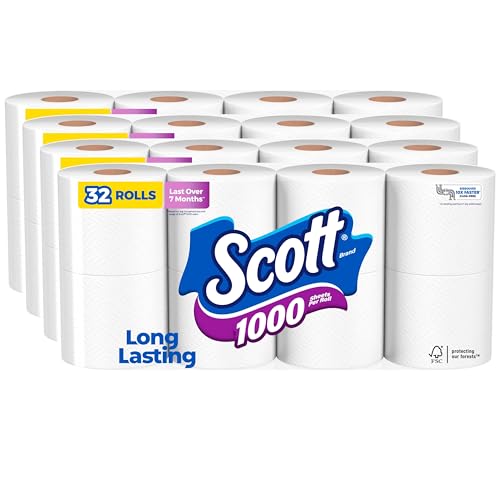
Scott 1000 Toilet Paper is a widely used option known for its high sheet count: 32 rolls with 1000 sheets per roll. The 1-ply design emphasizes flushability and fewer changes, which can be advantageous for older plumbing where frequent restocking may be less convenient. The brand markets this tissue as septic-safe, aligning with concerns over septic systems and low-flow toilets. While 1-ply papers can feel thinner, many users appreciate the balance between strength, dissolvability, and cost per use. This option suits households seeking reliable, long-lasting rolls that aren’t overly bulky.
Features highlight its status as America’s #1 toilet paper by sheet count, underscoring a balance of practicality and performance. Because the rolls provide a high sheet quantity, households can reduce the frequency of changes, potentially lowering the chance of overloading the system with too much paper at once. For older pipes, this product can be a sensible choice when paired with mindful flushing habits and avoidance of non-paper products. The paper’s performance remains consistent across typical household flush volumes, which is essential for predictable maintenance.
Quilted Northern Ultra Plush Toilet Paper

Quilted Northern Ultra Plush focuses on premium softness with triple-layer construction, offering a plush feel per sheet. While comfort is a standout feature, the product also emphasizes reduced lint, which can be beneficial for older pipes—less fibrous residue means fewer opportunities for buildup in the drain line. The packaging conveys a high-ply experience that many households associate with reliability and comfort during daily use. For pipes that are sensitive to fiber or lint, this option can deliver a balance of luxury and practical flushability, provided the system can handle higher ply counts.
The 3-ply design adds strength and absorbency, making it easier to use less paper while maintaining effective cleanliness. However, older plumbing sometimes experiences strain with thicker plies if there is any reluctance to flush thoroughly. Consumers should note their system’s capabilities and ensure they avoid overloading the toilet with oversized consumption. For those who value premium texture and a desire to minimize lint in drain lines, Quilted Northern Ultra Plush provides a thoughtful option.
Charmin Ultra Strong Clean Touch Toilet Paper

Charmin Ultra Strong Clean Touch Toilet Paper emphasizes durability and reliable cleaning performance. While the product is designed to resist tearing, its strength comes with a thorough cleansing effect, which can reduce the amount of paper needed per use. This balance can be beneficial in households with older pipes that may be more prone to back-ups if a lot of paper is flushed at once. The 24 Family Mega Rolls provide a long supply, minimizing the frequency of replacements and reducing handling in tight spaces. The brand’s reputation for strength is a selling point for households prioritizing dependability while maintaining steady flushability.
Buyers should consider their system’s flush rate and typical paper usage. For some older pipes, 2-ply or 3-ply options may feel overly robust for the system’s capabilities, potentially affecting dissolvability if overused. However, Charmin Ultra Strong offers a practical option for households needing dependable performance without compromising basic flushability. When used in moderation and with sound flushing practices, it can be a reliable part of a pipe-friendly bathroom routine.
Printed TP Birthday Gift Toilet Paper

Printed TP Birthday Gift Toilet Paper combines novelty design with 2-ply construction. It’s a humorous option that can brighten a bathroom moment, but it’s important to assess its compatibility with older pipes. The printed design sits on a standard 2-ply tissue, which can flush similarly to many everyday papers but may feel bulkier per sheet than ultra-dissolving options. For households dealing with aging plumbing, this product is best viewed as an occasional fun choice rather than a primary daily tissue. Consider your system’s tolerance for standard 2-ply materials and avoid excessive usage to protect pipes over time.
The roll includes 500 sheets and arrives ready in a gift box, making it a playful addition to a guest bathroom or a party setting. While it may not be optimized for septic systems specifically, it still functions as a regular toilet paper option. If choosing this for its novelty, pair it with a more pipe-friendly daily paper to maintain balance in your bathroom routine. Always monitor pipe performance and back-up risks when experimenting with different paper textures.
Buying Guide: Key Considerations For Old Pipes
To select toilet paper that protects older plumbing, consider how the tissue behaves in water, connection lines, and septic systems. The right choice minimizes clog risk, reduces lint buildup, and aligns with flush capabilities. The following factors offer a framework for decision-making, along with practical comparisons across common scenarios.
Septic-Safe And Dissolvability: For homes with septic tanks, opt for papers explicitly labeled septic-safe and designed to dissolve quickly in water. 1-ply options often flush more easily than thick multi-ply papers, though advancements in papermaking have improved some 2- or 3-ply products. Test a few days to observe how your system handles the tissue, especially during high-use periods.
Ply Count And Comfort Trade-Off: A 1-ply sheet dissolves rapidly but may feel thinner. 2-ply papers offer a balance of comfort and dissolvability, while 3-ply provides softness and strength at the potential cost of flushability. For older pipes, prioritize dissolvability and lint reduction, then assess comfort based on household needs and preferences.
Roll Size And Replacement Frequency: Larger roll counts reduce the frequency of replacements, which can be convenient in tight spaces. However, heavier rolls and bulkier cores may not be as easy to handle in small bathrooms. Consider your household’s ability to manage rolls and the anticipated flush volume when selecting a paper with a longer life per roll.
Lint Reduction And Drain Care: Papers with low lint production help minimize fiber buildup in drains and vents. Lint can accumulate in sewers and septic lines, potentially contributing to slow drainage. If your pipes are already prone to slowdowns, choose papers marketed as low-lint or designed for high flushability.
Environmental And System Compatibility: Some tissues are marketed for use in RVs, boats, or other travel environments. While the setting differs, the underlying goal—fast dissolving and low clog risk—remains relevant for old pipes. In households with septic systems, prioritize papers that support microbial balance and resist causing blockages over time.
Practical Use And Habits: The best toilet paper is only as effective as the flushing habits around it. Avoid flushing wipes, feminine hygiene products, or other non-paper items. Regular maintenance, mindful usage, and routine septic-system checks complement the paper’s performance and protect older pipes.
How To Choose For Your Home
Start with a septic-safe, rapid-dissolving option, then consider comfort and roll practicality. If you have a history of clogs, test a single brand for a couple of weeks before committing to a full replacement. Balance your choice with your household’s usage patterns, toilet design, and the maintenance schedule of your septic system. Remember: the goal is consistent, dependable flushability without sacrificing daily comfort.