Best Stain Colors for White Oak: A Quick Guide to Achieving Natural Oak Beauty
White oak is prized for its open grain and subtle warmth, making stain color decisions crucial. The best options balance wood’s natural texture with color depth, moisture resistance, and ease of use. Water-based stains tend to keep grain crisp with low odor, while oil-based formulas can deliver richer hues and longer wear. Use swatches on scraps to compare under lighting. The five products below represent a range of tones and applications suitable for achieving a desirable white oak finish.
| Product | Base | Key Benefit |
|---|---|---|
| Varathane 384807 White Oak Stain | Water-based | Rich color in one coat; low odor and low VOC |
| Furniture Clinic Natural Oak Stain | Water-based | Fast drying; even color penetration; environmentally friendly |
| Minwax Golden Oak Wood Finish | Oil-based | Deep, penetrating color with quick dry time |
| Minwax Express Color Oak Stain | Water-based | Wipe-on color for fast results; easy cleanup |
| SamaN Natural Wood Stain | Water-based | Odorless, low VOC; one-coat convenience |
Varathane White Oak Water Based Stain

Varathane 384807 is a water-based stain designed for a rich, even color in a single coat on most woods. It features low odor and low VOC formulas, with advanced pigments that enhance the natural beauty of the wood, including white oak’s distinctive grain patterns. The product dries quickly, enabling faster project completion. If you seek a deeper effect, additional coats can darken the tone while maintaining wood texture. Cleanup is straightforward with soap and water, and the finish remains relatively easy to recoat as needed.
For white oak, this stain helps preserve the wood’s light, airy character while adding warmth. The color depth is typically stable across common interior applications such as furniture, cabinetry, and trim. When applying, thin coats with consistent brushing or wiping yield the most even results. Lightly sand between coats if you aim for a smoother surface, then seal with an appropriate topcoat to protect the color from wear and moisture over time.
Furniture Clinic Natural Oak Stain

Furniture Clinic Wood Stain is a fast drying, highly concentrated stain that works on all indoor and outdoor wood surfaces. It is water-based, environmentally friendly, and dries to a natural matte finish in about 10 minutes. The product is available in 12 colors, including a natural oak tone, and is designed to penetrate evenly for consistent results in one coat. It provides good coverage and can rejuvenate older wood while preserving the grain’s character. Sizes range to suit various project scales, balancing cost and coverage needs.
When applying to white oak, this stain helps maintain a soft, neutral base with a practical finish. The water-based formula minimizes odor and cleanup while offering respectable color penetration. It is suitable for furniture, trim, and panels where a natural oak look is desired. For outdoor projects, ensure compatibility with exterior sealants and plan for the appropriate weather-resistant topcoat to extend durability.
Minwax Golden Oak Wood Finish
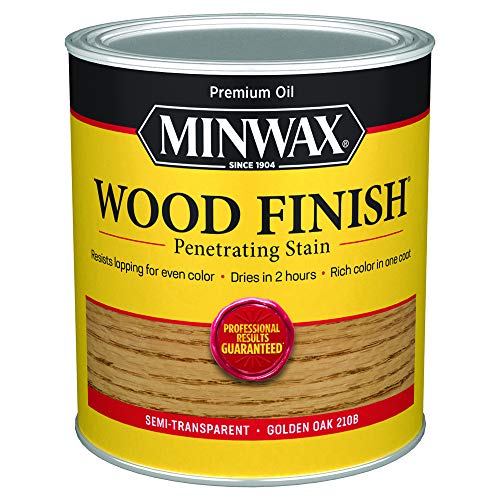
Minwax Golden Oak Wood Finish is an oil-based stain that deeply penetrates grain and highlights natural wood patterns in one coat. It is well-suited for interior staining projects such as furniture, cabinets, doors, and more. The oil-based formula dries within a couple of hours and resists laps-ing, allowing relatively quick project progress. Application is straightforward: apply along the grain, wipe after a short dwell, and recoat as needed for depth. This stain is ideal when aiming for a classic, warm oak tone that complements traditional woodwork.
On white oak, Golden Oak offers a traditional, amber-toned enhancement that emphasizes grain while delivering durable color. Because it is oil-based, you’ll typically get a richer hue and longer open time for blending. Surface prep—including cleaning and light sanding—improves uniform absorption. After staining, pair with a compatible polyurethane or topcoat to seal the color and protect against wear and moisture.
Minwax Express Color Oak Stain

Minwax Express Color Wiping Stain & Finish for Oak is a wipe-on, wipe-off solution that provides color quickly with minimal fuss. This water-based stain cleans up with soap and water and can be used as a single-step color and protection option when paired with the right topcoat. It’s designed for fast results on wood surfaces like oak, offering a convenient approach to achieving an even, natural-looking tone without lengthy waiting periods. For more durability, follow with an appropriate sealant after staining to guard against scuffs and moisture.
When working with white oak, Express Color is useful for fast color adjustments and quick refreshes. Since it’s water-based, it preserves grain clarity and reduces odor during application. For deeper color, multiple light coats may be more controllable than a single heavier layer. After staining, apply a compatible topcoat to lock in color and resist daily wear in high-use areas.
SamaN Natural Wood Stain

SamaN Interior Water Based Wood Stain emphasizes a natural look, designed for furniture, moldings, wood paneling, and cabinets. It is odorless with low VOC, promoting a safer work environment for indoor projects. The stain is positioned as a high-quality option that elevates wood’s beauty, offering fast, easy application in one coat with good color uniformity and no need for a separate conditioner. This makes SamaN a practical choice for those seeking a simple, low-odor solution for white oak interiors.
Buying Guide
Choosing the right stain color for white oak involves balancing color goals with practical handling, safety, and finish durability. Below are key considerations to guide your decision and help you compare options objectively.
- Color goal: Determine whether you want to preserve white oak’s natural light tone, add warmth, or achieve a deeper, richer hue. Lighter stains tend to enhance grain more subtly, while darker tones emphasize grain pattern and create a classic look.
- Base type: Water-based stains keep grain crisp, are low odor, and easier to clean up, making them ideal for interiors and sensitive spaces. Oil-based stains often deliver deeper, longer-lasting color but require solvents for cleanup and have longer odor persistence.
- Finish options: Consider whether you want a matte, satin, or semi-gloss finish after staining. Some products include a built-in finish; others require a separate topcoat to protect color from wear and moisture.
- Application method: Wipe-on stains are fast and forgiving, while brushes or pads offer more control with blotting for even saturation. For white oak, go slowly and test on a scrap piece to avoid blotching or uneven color.
- Drying and recoat windows: Quick-drying stains speed up projects, but longer open times can aid blending in tricky grain areas. Plan re-coats according to product guidelines and ambient conditions.
- Surface preparation: Light sanding (e.g., 180–220 grit) and clearing dust yield smoother results. Clean surfaces thoroughly before staining to prevent contaminants from affecting color uptake.
- Compatibility with topcoats: If you’re planning to seal, verify which topcoats (polyurethane, varnish, etc.) pair best with the chosen stain. Some products are designed as stain-and-finish in one step; others require separate sealing for durability.
- Indoor vs outdoor use: Ensure the product is appropriate for the intended environment. Outdoor applications demand UV resistance and water protection, typically requiring exterior-grade finishes or sealants.
- Safety and odor: If you’re sensitive to smells or working in a small space, prioritize low-odor, low-VOC options. Always follow manufacturer safety instructions and proper ventilation.
- Cost and coverage: Compare coverage per unit and bottle size relative to the project size. Plan for extra coats or test swatches, as white oak can vary in porosity and absorbency.
In practice, the best stain color for white oak depends on the room’s lighting, existing furnishings, and the desired balance between grain emphasis and tonal warmth. Sampling multiple products on scrap pieces will help you decide which option best matches your vision before committing to a full project. The selections above provide a spectrum from natural washes to deeper oak tones, offering practical paths to a durable, aesthetically pleasing finish.