In this guide
- Miracle-Gro Houseplant Potting Mix
- Back to the Roots 100% Organic Indoor Potting Mix
- Miracle-Gro Indoor Potting Mix (6 qt, 2-Pack)
- TOYPOPOR Potting Soil For All Indoor Houseplants
- Miracle-Gro Organic Indoor Potting Mix
- Miracle-Gro Potting Mix (16 qt, 2-Pack)
- Burpee Premium Organic Potting Mix
- Buying Guide: Key Considerations For Rubber Plant Soil
- Drainage And Aeration
- Moisture Retention
- Nutrient Content And Feeding
- Environmental And Organic Considerations
- Pot Size And Repotting Strategy
- Regional Climate And Indoor Conditions
Rubber plants (Ficus elastica) thrive when planted in soil that drains well, stays aerated, and doesn’t stay soggy. The right indoor potting mix helps prevent root rot, reduces gnats, and supports steady growth with gentle nutrient release. The following five mixes are well-suited for rubber plants and other common houseplants, offering a balance of drainage, moisture retention, and organic or synthetic fertilizer options. Use these recommendations as a starting point to keep your rubber plant healthy in an indoor environment with controlled watering and light conditions.
| Product | Brand | Why It’s Good For Rubber Plants |
|---|---|---|
| Miracle-Gro Houseplant Potting Mix | Miracle-Gro | Fertilized, contains perlite and sphagnum/peat moss; designed to resist gnats; ideal for a range of indoor houseplants. |
| Back to the Roots 100% Organic Indoor Potting Mix | Back to the Roots | Organic and peat-free; moisture-retaining yucca extract; root-boosting mycorrhizae—good for healthy root development. |
| Miracle-Gro Indoor Potting Mix (6 qt, 2-Pack) | Miracle-Gro | Blended for a variety of houseplants; feeds up to 6 months; convenient two-pack for multiple containers. |
| TOYPOPOR Potting Soil for All Indoor Houseplants | TOYPOPOR | Perlite, peat moss, coco coir, and rice charcoal create a well-draining, breathable mix with good moisture retention. |
| Miracle-Gro Organic Indoor Potting Mix | Miracle-Gro | Protects against over- and under-watering; OMRI listed; includes sphagnum peat moss, coir, and quick-start fertilizer for steady growth. |
Miracle-Gro Houseplant Potting Mix

Miracle-Gro Houseplant Potting Mix is designed to support a wide range of indoor plant varieties, including pothos, spider plants, monstera, philodendron, and ivy. For rubber plants, the mix’s light texture and added perlite promote airflow to the roots, helping prevent root rot in environments where overwatering can be a risk. The combination of sphagnum moss and peat provides some moisture retention without creating a soggy base, while the fertilizer incorporated into the mix supports healthy growth during the plant’s first growing seasons. Practically, this blend is a reliable choice for beginners or busy plant lovers who want a low-maintenance substrate that helps keep gnats at bay thanks to its improved drainage and airflow. Rubber plants tolerate a moderate feeding cadence, so monitor growth and adjust watering to avoid prolonged wet soil.
Key considerations: This mix is formulated for indoor use with popular houseplants, making it a convenient all-around option when you want a single soil that works for multiple plants. For rubber plants, ensure pots have drainage holes and use proper watering discipline: water thoroughly, then let the top inch dry before watering again. If you notice consistently wet soil, consider a lighter amendment (like extra perlite) or switching to a peat-free mix to reduce moisture retention further.
Back to the Roots 100% Organic Indoor Potting Mix

Back to the Roots offers an organic, peat-free indoor potting mix that emphasizes sustainable farming and root health. The mix includes organic yucca extract to help retain moisture without creating anaerobic conditions, supporting rubber plants during periods of indoor dryness. A standout feature is the presence of root-boosting mycorrhizae, which fosters robust root systems and more efficient nutrient uptake. For rubber plants, strong roots translate to sturdy plants with better tolerance for shorter, drier spells between waterings. The peat-free composition aligns with eco-conscious choices common in urban households, though you may need to adjust watering frequency depending on your home humidity and pot size.
Key considerations: While peat-free options are better for the environment, they can sometimes drain differently from traditional mixes. Rubber plants prefer a well-drained substrate, so ensure the pot has drainage holes and consider adding a splash of perlite or coarse sand if you notice water pooling at the bottom after watering. Organic options can support steady growth but may require more careful monitoring of moisture and occasional supplement feeding, depending on plant size and light conditions.
Miracle-Gro Indoor Potting Mix (6 qt, 2-Pack)
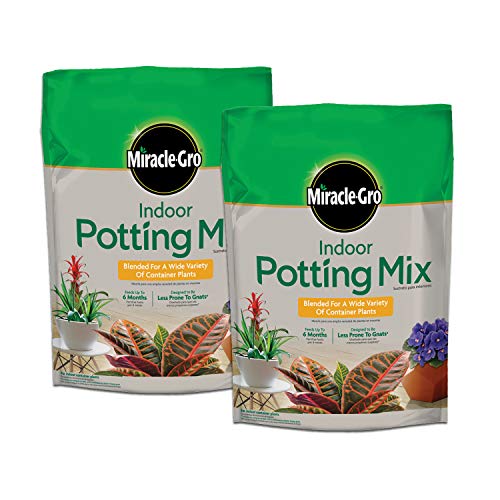
This Miracle-Gro two-pack is designed for a broad range of indoor container plants and provides up to six months of feeding. For rubber plants, this mix offers a balanced starting substrate with built-in nutrients that support ongoing growth in low-light indoor spaces. The packaging suggests filling containers approximately one-third with soil, placing the plant, then adding more soil to secure stability, which helps protect delicate rubber plant roots during repotting. The blend is intended for a variety of climbing, foliage, flowering, and tropical plants, making it a versatile option for households with diverse plant collections. Keep an eye on moisture levels to prevent overwatering, especially in smaller pots.
Key considerations: Frequent feeding can be beneficial for fast-growing plants but may not be ideal for every rubber plant, especially those grown in smaller containers or with limited light. If you notice yellowing leaves or signs of nutrient burn, consider flushing the potting mix with clean water and adjusting feeding frequency. For best results, combine with careful watering and ensure pot drainage is adequate to minimize standing water and root stress.
TOYPOPOR Potting Soil For All Indoor Houseplants

TOYPOPOR’s potting soil is a balanced all-in-one mix designed to support healthy roots and fast growth in indoor conditions. Its blend includes perlite, sphagnum peat moss, coconut coir, and rice husk charcoal, creating a loose yet moisture-retentive medium. Rubber plants benefit from the airy texture that prevents compacted soil, allowing oxygen to reach the roots and reducing the risk of root rot in damp rooms. The effective drainage paired with moisture retention suits environments where watering schedules are inconsistent, such as homes with fluctuating humidity or seasonal changes. This mix is ideal for mixed plant collections, where a versatile substrate reduces the need to switch soils between different species.
Key considerations: While the mix promotes good drainage, monitor how quickly your rubber plant uses water, especially in warmer months or bright light. If you notice soil drying out too quickly, you may supplement with a small amount of additional water-absorbing material or adjust watering frequency. A light fertilization schedule after several weeks can help support growth, but avoid over-fertilizing in the early stages after repotting.
Miracle-Gro Organic Indoor Potting Mix

Miracle-Gro Organic Indoor Potting Mix emphasizes protection against over- and under-watering, which is valuable for rubber plants grown indoors where watering can be irregular. The mix uses responsibly sourced sphagnum peat moss, coir, and quick-start natural fertilizer. This combination supports stable moisture levels and provides a gentle nutrient supply over time, reducing the need for frequent feeding. Rubber plants in indoor settings can benefit from this balance, which helps prevent both dry spells and waterlogged roots. The OMRI listing indicates compliance with organic standards, offering a consumer-friendly option for gardeners prioritizing organic inputs. Pair this mix with a consistent watering routine and proper drainage for best results.
Key considerations: Organic mixes can vary in how quickly they release nutrients. Observe your plant’s growth and adjust feeding accordingly. In low-light conditions, rubber plants grow more slowly, so avoid excess fertilizer that could lead to salt buildup. At repotting time, gently loosen roots and consider mixing in a small amount of perlite if you want extra drainage in a smaller pot.
Miracle-Gro Potting Mix (16 qt, 2-Pack)

This Miracle-Gro two-pack provides large-volume soil suitable for several containers and long-term projects. The mix is designed to feed container plants for up to six months, offering a convenient option for rubber plants housed in multiple pots or a larger specimen in a spacious container. For rubber plants, which prefer steady moisture and consistent support, the extended feeding period can be advantageous, provided you maintain proper drainage and avoid waterlogged soil. The general-use nature of this mix makes it a practical choice for households with diverse plant collections, but monitor soil moisture closely to adjust watering as seasons change.
Key considerations: In homes with low humidity, soil can dry slowly in larger pots, which can influence feeding needs. If your rubber plant is showing slow growth or pale new leaves, you may want to adjust water and consider a light top-dressing with a balanced fertilizer after several weeks. Always ensure there are drainage holes and do not leave the plant sitting in a saucer of standing water.
Burpee Premium Organic Potting Mix

Burpee’s Premium Organic Potting Mix is formulated with plant food and coconut coir to promote seed and root growth, with OMRI-listed organic credentials. For rubber plants, this mix offers an organic route that delivers initial nutrition and then provides a slow-release feed as roots explore the soil. Coconut coir supports moisture retention without becoming waterlogged, which can help rubber plants in rooms with variable watering schedules. The mix’s suitability for containers and raised beds adds flexibility for future repotting projects. Remember to check drainage and avoid overwatering, particularly in smaller pots or under bright indoor conditions.
Key considerations: Organic mixes can vary in texture and nutrient availability. If your rubber plant shows rapid growth, you may need to adjust the watering schedule to prevent soggy soil. If growth lags, a light fertilization after several weeks can help, but monitor for signs of nutrient salt buildup. Choose a pot with drainage holes and avoid placing pots in saucers that retain water for extended periods.
Buying Guide: Key Considerations For Rubber Plant Soil
Choosing the right soil for a rubber plant depends on balancing drainage, moisture retention, and nutrient availability. Rubber plants are resilient but susceptible to root rot in overly wet soil. They also respond well to stable moisture levels and good aeration around the roots. Here are the main purchase considerations and how the five products compare.
Drainage And Aeration
Look for soils with perlite, pumice, or orchid-bark components that create air pockets and prevent compaction. All five products above include drainage-friendly ingredients like perlite or coconut coir that helps keep roots oxygenated. For tight spaces or dense root systems, skip nutrient-heavy mixes and prioritize looser textures to reduce waterlogging risk.
Moisture Retention
Rubber plants prefer soil that stays evenly moist but not soggy. Mixes with sphagnum peat moss or coco coir retain moisture while still allowing drainage. If you tend to overwater, choose peat-free or lighter mixes, such as peat-free options, that drain more quickly.
Nutrient Content And Feeding
Some mixes are pre-fertilized and feed for months, which can be convenient but may overwhelm sensitive plants if watering is inconsistent. For rubber plants, a balanced, gentle feeding schedule is often best. If a mix includes quick-start fertilizer, start with moderate watering after repotting and monitor for signs of nutrient burn or fast growth that may outpace root development.
Environmental And Organic Considerations
OMRI-listed and peat-free options align with eco-conscious gardening. Organic mixes may require closer attention to moisture and feeding, while synthetic mixes can deliver predictable performance with less variability. Choose based on your preferred maintenance style and environmental priorities.
Pot Size And Repotting Strategy
Rubber plants benefit from repotting every 1-2 years as they outgrow containers. Select a pot slightly larger than the current one and use a fresh mix that provides good drainage. For older plants, you may opt for a top-dress instead of full repotting if roots are not severely crowded.
Regional Climate And Indoor Conditions
Humidity, temperature, and light influence water needs. In hot, dry rooms, a mix with higher moisture retention works well, but you must ensure it drains well enough to prevent root rot. In cooler, damp spaces, a lighter mix may prevent overly wet soil. Adjust your watering schedule accordingly and tailor soil choice to your home environment.