Best Shower Tile Cleaners for Hard Water Stains: Top Picks
Hard water can leave stubborn mineral deposits on shower tiles, grout, and glass. The right cleaner targets lime, calcium, rust, and soap scum without damaging surfaces or requiring endless scrubbing. Below are five highly effective cleaners that handle hard-water buildup on bathroom surfaces, along with a practical buying guide to help you choose the best option for your space.
| Product | Brand | Why It Shines |
|---|---|---|
| Bio-Clean Hard Water Stain Remover 20.3 oz | Bio-Clean Products | Industrial-strength stain removal for tile, grout, and glass; aerosol format for quick coverage |
| Zep Shower Tub And Tile Cleaner 32 oz | Zep | No-scrub formula that penetrates soap scum and mineral buildup on contact |
| Lime-A-Way Bathroom Cleaner 32 oz | Lime-A-Way | Specializes in lime and rust stains with rapid action |
| CLR Calcium, Lime & Rust Remover 22 oz | CLR | All-in-one cleaner for multiple surfaces; fast calcium, lime, and rust removal |
| OxiClean Bathroom Cleaner 32 oz | OxiClean | Oxygen-stain-fighting formula that also targets soap scum and hard-water buildup |
Bio-Clean Hard Water Stain Remover For Tiles

Bio-Clean’s Hard Water Stain Remover is built for professional-grade mineral and rust removal on bathroom surfaces. The product is described as an industrial-strength aerosol designed to tackle years of hard mineral buildup on tile, grout, windows, and glass. Its formulation emphasizes rapid action, reducing the need for aggressive scrubbing. When applying, protect adjacent surfaces and use in a well-ventilated area. For best results, test on a small area first and repeat application as necessary. It is well suited to tile and grout lines where mineral deposits are prominent and stubborn.
Application tips: spray evenly on the affected area, allow a brief dwell time to penetrate mineral deposits, then wipe away with a clean cloth or rinse with water. Avoid contact with sensitive metals for extended periods. Always follow manufacturer safety instructions and use gloves if needed. Suitable for bathroom tiles, shower glass, and grout lines that show hard-water staining.
Zep Shower Tub And Tile Cleaner 32 oz

Zep’s Shower Tub And Tile Cleaner uses a pro-grade acidic solution designed to break up tough buildup on contact. The no-scrub formula is marketed to penetrate soap scum, calcium, and lime scale, simplifying maintenance of bathrooms with heavy mineral deposits. This cleaner is particularly effective on ceramic tile, grout, glass, and shower surfaces where mineral layering is common. Users should exercise caution on delicate finishes or natural stone, and avoid prolonged contact with metals that may be reactive. A thorough rinse after use is recommended to prevent streaks.
Usage guidance: spray onto the surface, let the formula sit briefly to activate the buildup, then wipe or rinse away. For very stubborn areas, a second application may be required. The product’s acidic chemistry makes it strong; always ventilate the room and wear protective gloves as advised by the label.
Lime-A-Way Bathroom Cleaner 32 Fl Oz
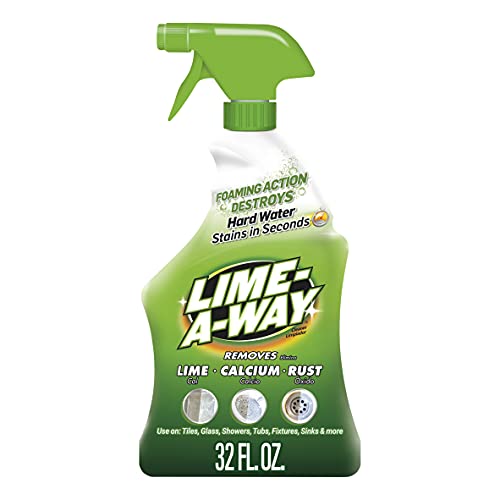
Lime-A-Way is a staple for removing lime, calcium, and rust deposits with rapid action. The product claims to dissolve the toughest limescale in seconds without the need for scrubbing, making it a practical choice for high-traffic showers where mineral buildup is persistent. It is particularly effective on shower tiles, enamel, and fixtures affected by hard water. As with any acidic cleaner, it’s wise to avoid extended contact with natural stone, sealed stone, or metal surfaces that could be etched. Always follow the label’s safety instructions and test on a small area first.
Best practice includes using in a well-ventilated space and applying to dry surfaces for even distribution. Rinse thoroughly after dwell time to prevent residue. Typical use cases include bathroom tiles, shower doors, and chrome fixtures where mineral buildup is most visible.
CLR Calcium, Lime & Rust Remover

CLR presents a versatile, multi-surface cleaner built to blast away calcium, lime deposits, and rust. The product is marketed as suitable for bathrooms, kitchens, dishwashers, coffee pots, and even siding, demonstrating broad effectiveness. In bathroom settings, CLR can quickly neutralize mineral buildup on ceramic tile, glass, stainless steel, and chrome. The multi-surface claim indicates safe application on many materials, but users should still perform spot tests on delicate materials and adhere to safety guidelines, as acidic formulas can affect certain finishes.
Application is typically straightforward: spray the affected area, wait a short dwell period, and rinse. For severe deposits, repeat the process. The formula’s fast-acting nature makes it a popular choice for frequent maintenance and for tackling tough mineral stains on grout lines and shower heads.
OxiClean Bathroom Cleaner 32 oz

OxiClean’s Bathroom Cleaner combines stain-fighting oxygen chemistry with a focus on disinfecting capabilities. The product is described as killing bacteria and viruses when used as directed, in addition to breaking down soap scum and hard water buildup. It’s positioned as a deep-clean solution for showers, tubs, and tiles, capable of penetrating everyday bathroom stains to reveal brighter surfaces. The formula is suitable for non-porous surfaces like glass, porcelain, chrome, and stainless steel, though users should avoid porous stone surfaces or uncoated metals unless guidance is provided by the label.
Hairline cracks and grout lines may benefit from consistent applications, as the foam can cling to vertical surfaces, improving dwell time. For best results, follow directions, use appropriate protective gear, and rinse thoroughly after cleaning to prevent residue and streaking.
Buying Guide: Key Purchase Considerations For Hard Water Tile Cleaners
Choosing a shower tile cleaner for hard water involves weighing chemistry, surface compatibility, and user convenience. Below are essential factors to consider so you can compare products with confidence.
- Hard water chemistry and target deposits: Lime, calcium, and rust respond best to acidic cleaners, while enzyme or oxygen-based formulas excel on organic grime and light soap scum. For severe mineral buildup, a stronger acid-based cleaner may be necessary, but surface safety becomes critical.
- Surface compatibility: Ceramic tile and glass are generally tolerant of acidic cleaners, but natural stone, marble, or brass fixtures can etch or dull with prolonged exposure. Always test in an inconspicuous area and follow manufacturer guidance on surface compatibility.
- Scrub requirement and dwell time: No-scrub or spray-and-wait formulas reduce labor but may require longer dwell times for heavy buildup. Consider your tolerance for waiting versus manual scrubbing when selecting a product.
- Application format and coverage: Aerosols, sprays, and foams differ in how they adhere to vertical surfaces. Foams cling longer, which can improve absorption on tile grout. Consider bottle size and spray reach for your shower layout.
- Fragrance and sensitivity: Some formulas have strong scents or dyes. If you or household members are sensitive to fragrances, opt for fragrance-free or dye-free options and test first.
- Safety and ventilation: Many cleaners contain harsh acids. Ensure good ventilation, wear gloves, and keep cleaners away from children and pets. Read safety data sheets for detailed handling instructions.
- Multi-surface versus bathroom-specific: If you want a single product for multiple areas, a multi-surface cleaner can be convenient; if you primarily clean showers, a bathroom-specific formula may optimize results for tiles, grout, and showerheads.
- Packaging and environmental impact: Look for packaging that supports recycling and consider the product’s overall environmental footprint. Some brands emphasize less harsh formulations or more sustainable packaging.
The best choice depends on your shower’s mineral load, tile type, and how much work you’re willing to invest. For frequent hard-water buildup, a combination approach can work well: use a no-scrub, spray-on product for routine maintenance and reserve a stronger cleaner for stubborn areas. Always start with a small test patch and follow with a thorough rinse to avoid residue and streaks.