In this guide
- SINDA 48 Inch Remote Blower Hood
- Awoco 36-Inch Remote Split Ceiling Insert
- ZLINE 34-Inch Remote Dual Blower Hood
- ZLINE 42-Inch Island Mount Remote Hood
- ZLINE 36-Inch Island Remote Blower Hood
- Buying Guide
- Vent style and layout
- Airflow needs (CFM) and room size
- Noise and acoustics
- Ducting and installation considerations
- Controls, lighting, and maintenance
- Durability and warranty
Remote blower range hoods place the heavy motor away from the cooking surface, delivering strong exhaust with reduced noise and easier maintenance. This guide highlights five top remote-blower models that balance suction, quiet operation, and installation versatility. The quick comparison table below helps you scan key specs at a glance, followed by detailed product sections to help you choose the best fit for your kitchen layout and cooking needs.
| Product | Brand | Type | Max CFM | Notes |
|---|---|---|---|---|
| SINDA 48 Inch Ventilator Insert | SINDA | Ventilator Insert with Inline Blower | 1260 | Inline blower included; 46-3/8″ L; 8″ duct |
| Awoco 36-Inch Ceiling Insert | Awoco | Ceiling-Mount Split Insert | 1000 | Remote control; 8″ vent; LED lights |
| ZLINE 721-RD-34 | ZLINE | Insert With Remote Dual Blower | 1200 | 34″ width; four speeds |
| ZLINE GL2i-RD-42 | ZLINE | Island Mount With Dual Remote Blower | 700 | 42″ width; island mount; four speeds |
| ZLINE KECOMi-RD-36 | ZLINE | Island Mount With Remote Dual Blower | 1200 | 36″ width; four speeds |
SINDA 48 Inch Remote Blower Hood

The SINDA 48 Inch Ventilator Insert pairs a hood with an inline blower to create a compact, quiet ducted system. It delivers four fan speeds up to 1260 CFM, providing robust suction for heavy cooking while maintaining a relatively low noise footprint for a high-capacity unit. A three-minute delay power-off function offers convenience after cooking sessions. The exterior is built from commercial-grade 304 stainless steel with a seamless weld and fingerprint-resistant finish, which helps maintain a clean, professional look in busy kitchens. Controls for Power, Fan Speeds, and LED Lights are conveniently located on the hood.
Size is a key consideration; this model spans 46-3/8 inches in length with dimensions of 46-3/8″ x 18″ x 10″ and requires an 8″ round duct. The inline blower configuration means the noise and heat from the motor are somewhat separated from the cooking zone, which can improve perceived quietness in open-plan spaces. Intended for professional or premium residential kitchens, this option balances high performance with durable materials and straightforward operation.
Awoco 36-Inch Remote Split Ceiling Insert
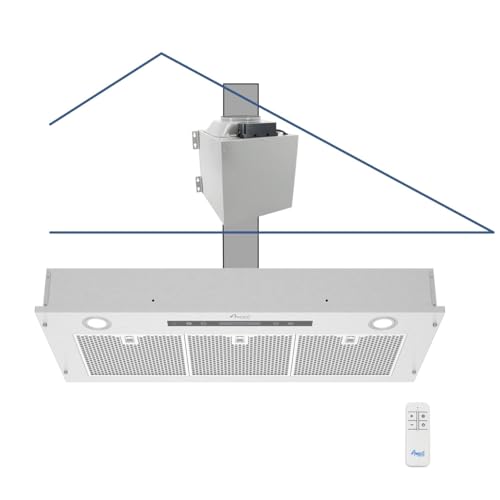
Awoco’s 36-inch ceiling-mount insert uses an attic-mounted blower for a split, quiet ventilation solution. The system is designed for ducted venting to the outside with an 8″ round top vent, making it suitable for many kitchen layouts where covering the ceiling is preferred. It features four speeds, delivering up to 1000 CFM, and includes LED lighting for improved task visibility. The wireless remote control, wall-mount holder, and a 12-foot split control cord with plug are included, simplifying installation and operation in larger or open spaces.
Construction relies on 1mm-thick stainless steel with a brushed finish, delivering a durable, easy-to-clean aesthetic. The unit is designed for straightforward installation, but potential buyers should verify duct type (rectangular vs round) and ensure the attic blower location aligns with their existing ventilation plan. The control panel is touch-based, and the LED lighting provides bright, energy-efficient illumination to complement the hood’s performance.
ZLINE 34-Inch Remote Dual Blower Hood

ZLINE’s 721-RD-34 insert features a remote dual blower configuration rated up to 1200 CFM. It uses external ducting and offers a simple push-button control approach with four speeds: 280, 460, 670, and 1200 CFM. This model is well-suited for kitchens that demand high airflow during heavy cooking while keeping the motor away from the hood itself to reduce vibration and heat near the cooking zone. The 34-inch width makes it a practical choice for many standard 30–36 inch ranges.
With remote operation, the blower noise can be less intrusive within the living space, especially when paired with appropriate ducting and a well-designed vent path. The unit emphasizes durability with stainless construction and a straightforward installation footprint, ideal for owners seeking serious exhaust performance without sacrificing aesthetics in a compact footprint.
ZLINE 42-Inch Island Mount Remote Hood

The ZLINE GL2i-RD-42 is a 42-inch island-mount hood featuring a dual remote blower. It provides four speeds (280/420/560/700 CFM), offering a spectrum of options for varying cooking intensities and kitchen sizes. Island installations typically require more robust ducting and careful placement to maximize air capture from multiple burners or cooking zones.
Remote blowers in island setups reduce hood noise, especially when the blower is located away from the kitchen. The stainless steel construction ensures a modern, high-end appearance that matches contemporary kitchen aesthetics. This model aims to balance strong airflow with a clean, open-concept kitchen design, making it a solid option for homes with an island range or open seating areas.
ZLINE 36-Inch Island Remote Blower Hood
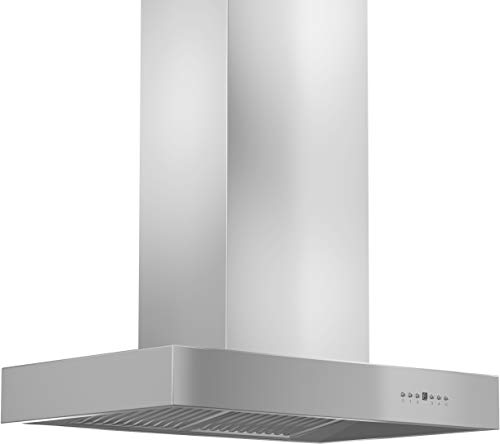
The KECOMi-RD-36 from ZLINE is a 36-inch island-mount hood with a remote dual blower and a four-speed control (280/460/670/1200 CFM). This configuration suits large cooking zones and open-concept kitchens where air needs to be captured efficiently from a central island. The dual remote blower arrangement helps distribute suction across wider cooking areas, and the unit’s stainless steel construction aligns with contemporary kitchen design sensibilities.
As a remote-blower model, installation requires proper external venting and careful placement of the blower to minimize noise transfer. The 36-inch width provides a balanced option for mid-sized islands, pairing well with 36–42 inch ranges. The included LED lighting adds ambient and task lighting, enhancing visibility on the cooking surface while maintaining an upscale appearance in modern kitchens.
Buying Guide
Choosing a remote blower hood involves balancing kitchen size, cooking style, and installation constraints. The following considerations help compare models and identify factors that influence long-term performance and satisfaction.
Vent style and layout
Insert, island, and ceiling-split designs each suit different spaces. Insert models integrate into cabinet or chimney spaces, often offering the quietest appearance with the blower located remotely or inline. Island models deliver airflow from a central island, ideal for open-plan kitchens but requiring more robust ducting. Ceiling-split or attic-mounted blowers, like the Awoco system, place the fan away from living spaces, reducing perceived noise but necessitating additional ductwork planning.
Airflow needs (CFM) and room size
CFM requirements depend on cooking activity and kitchen size. A general guideline is to aim for roughly 1 CFM per square foot of kitchen area for standard cooking. High-heat or frequent heavy cooking (frying, wok cooking) benefits from higher CFM, but ensure your ductwork and blower can handle the load. Remote blowers help manage acoustic comfort by distancing noise-generating components from the living areas.
Noise and acoustics
Noise is usually described in Sones or decibels. Remote blowers can reduce hood noise by placing the motor away from the dining space, yet actual sound levels depend on blower size, duct length, bends, and duct material. When evaluating options, look for specified max Sone or dB ratings, and consider adding acoustic insulation or longer, straight duct runs to improve quiet operation.
Ducting and installation considerations
Check duct size (commonly 6″ or 8″), duct routing distance, and external venting requirements. Some models require specific duct diameters and outdoor vent caps, while others support flexible routing with external blowers mounted in attics or basements. Island and ceiling-mount installations demand careful planning for ceiling height, cabinet alignment, and sightlines to ensure a seamless look and optimal air capture.
Controls, lighting, and maintenance
Remote-blower models typically include LED lighting for task visibility and straightforward controls, often on the hood or via a remote. Look for features such as multiple speed settings, delay-off timers, and user-friendly interfaces. Filter types vary—baffle, mesh, or disposable options—so consider ease of cleaning and maintenance when selecting models for busy kitchens.
Durability and warranty
Stainless steel construction and seamless welds contribute to long-term durability in high-use kitchens. Review manufacturer warranties and service networks to ensure access to replacement parts and support. A slightly higher upfront investment can pay off in reliability and lower maintenance costs over time.
Across these options, remote blower configurations offer meaningful benefits for acoustics and installation flexibility, especially in open-plan or high-traffic kitchens. Your final choice should align with room dimensions, cooking habits, ceiling height, and preferred aesthetic, while ensuring the vent path and blower placement optimize performance and noise control.