Best Pressing Cloths for Ironing: A Practical Guide
Choosing the right pressing cloth can extend garment life and simplify ironing. A quality cloth protects fabrics from shine, scorch marks, water spots, and heat while letting you monitor progress. The five products below cover a range of materials and styles—from cotton and silk organza to mesh and PTFE—suitable for various fabrics and ironing methods. The table below gives quick specs to help you compare options at a glance.
| Product | Brand | Material/Size | Why It Stands Out |
|---|---|---|---|
| Dritz 82442 Pressing Cloth | Dritz | 11” x 28 ft, White | See-through, protects from shine and scorch; versatile with dry or steam irons |
| June Tailor Eze-View Cotton Cloth | June Tailor | 24” x 14”; 100% cotton | Transparent for precise ironing; reduces fabric shine |
| Dritz Silk Organza Press Cloth | Dritz | 22” x 30” | Silk organza for delicate fabrics; excellent visibility |
| BlueSnail Mesh Pressing Pad | BlueSnail | Mesh; 2-pack | Protects from scorch and shine; guards iron surface from zippers |
| HunnmingRe Pressing Cloth Set | HunnmingRe | Four cloths: 24×16, 24×16, 24×24, 28×28 | All-in-one set for multiple fabrics and tolerances |
Dritz 82442 Pressing Cloth, 11×28
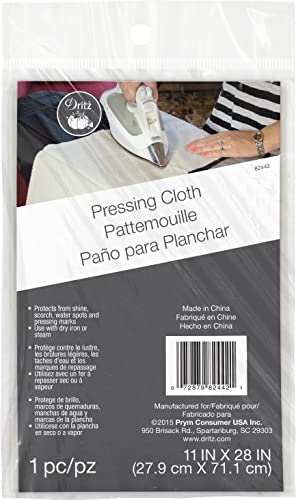
The Dritz 82442 pressing cloth is designed to let you see the fabric while you press, helping you control heat without guesswork. It provides shielding from shine, scorch, water spots, and pressing marks. The cloth is suitable for use with both dry irons and steam, offering flexibility across fabrics such as cotton, silk blends, and synthetics. Its translucent look helps you monitor heat transfer, while the material creates a buffer between iron and garment to minimize direct heat exposure.
- Lets you see as you press
- Protects from shine, scorch, water spots and pressing marks
- Use with dry iron or steam
- Compatible with a range of fabrics
For best results, place the cloth flat over the fabric and apply even, moderate pressure. Replace it if it becomes shiny or stained, and allow the cloth to cool between sections when ironing large garments.
June Tailor Eze-View Cotton Cloth

The June Tailor Eze-View pressing cloth is made from 100% cotton and is designed to prevent shine on fabrics. Its cotton construction absorbs and buffers steam while maintaining fabric integrity. The cloth is suitable for both steam and dry ironing, making it a versatile choice for cottons, blends, and fabrics that benefit from even heat diffusion. The breathable cotton fibers send steam through the cloth in a controlled manner, reducing the risk of water spots and uneven press marks.
- 100% cotton
- Prevents shine on fabrics
- Use with steam or dry iron
To maximize performance, adjust your iron temperature to match the fabric and press with smooth, even strokes. For delicate finishes, consider a lighter touch and a cloth layer that remains flat and wrinkle-free during pressing.
Dritz Silk Organza Press Cloth

The silk organza pressing cloth from Dritz provides extra protection with a transparent layer that lets you watch iron contact closely. It is designed to shield fashion fabrics from shine, scorch, press marks, and water spots. For extra steam, dampen the cloth lightly (do not wet) before placing it over the fabric and pressing with a temperature appropriate for the garment. The sheer fabric helps maintain the garment’s texture and drape while allowing precise control for delicate items such as lace and embroidery.
- Transparent for precise ironing
- Protects against shine, scorch, marks, and water spots
- Use dampened cloth for extra steam
BlueSnail Protective Mesh Pressing Pad
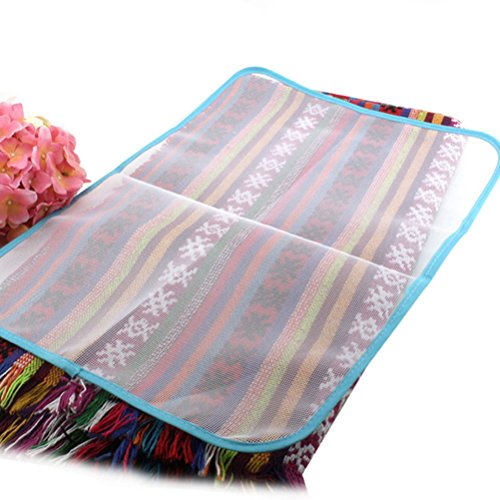
The BlueSnail mesh pressing pad is a practical option for safeguarding garments during ironing. It is suitable for steam irons and helps protect fabrics from scorch and shine. The mesh design also shields the iron’s surface from contact with zippers or snaps, reducing the risk of scratches. This two-pack provides flexibility for larger projects or for pairing with a second cloth to vary heat distribution across different garment areas.
- Suitable for steam iron
- Protects from scorch and shine
- Protects iron surface from zippers or snaps
HunnmingRe 4 Types Pressing Cloth Set

This all-in-one set from HunnmingRe contains four different pressing cloth types to accommodate a range of fabrics and ironing needs. The cotton cloth (24 x 24 inches) absorbs excess steam, helping to prevent watermarking on cotton and linen blends. The silk organza cloth (28 x 28 inches) provides a transparent surface ideal for delicate lace and embroidery, while the mesh and PTFE fabrics (both about 24 x 16 inches) offer heat distribution and a non-stick surface, respectively. The set gives versatility for professional or home garment care.
- Four cloths: mesh, PTFE, cotton, silk organza
- Cotton cloth for deep ironing and steam absorption
- Silk organza for transparency and delicate fabrics
- Mesh and PTFE offer distinct heat control and non-stick properties
Buying Guide
When choosing a pressing cloth, consider material, size, transparency, heat resistance, steam compatibility, care requirements, and value. Cotton works well for absorbing steam and protecting fabrics like wool or blends, while silk organza provides a nearly invisible barrier suited for delicate lace and embroidery. PTFE fabrics offer a non-stick surface that helps resist sticking on stubborn wrinkles. Mesh models provide durability and temperature distribution, though they may be less absorbent. A multi-pack, like the HunnmingRe set, can cover many fabrics in one purchase and reduce the need for multiple single-purchase options.
- Material matters: cotton for absorption, organza for visibility, PTFE for non-stick, mesh for durability
- Size and coverage: larger cloths cover more area and reduce refolding during ironing
- Transparency vs. opacity: see-through options help monitor heat transfer
- Heat and steam compatibility: ensure the cloth is suitable for your iron’s settings and fabrics
- Care and reusability: washable cloths save money; follow manufacturer care instructions
- Set vs single: multi-packs offer versatility and value across fabrics
- Protection goals: prioritize shine reduction, scorch prevention, and water spots avoidance based on garment type
In practice, select a cotton or cotton-blend cloth for everyday garments, a silk organza option for delicate textiles, and a PTFE or mesh cloth for high-heat scenarios or heavier fabrics. For a broad ironing routine, a four-piece set can reduce the need to switch between cloths and help maintain fabric integrity across garments.