Best Pellet Stoves for Basement Heating: Top Picks and Buying Guide
Finding the right pellet stove for a basement requires balancing space, heating capacity, venting considerations, and energy efficiency. The following five models represent reliable options for mid- to large basement areas, with features like smart control, WiFi connectivity, EPA approval, and strong burn performance. Each selection is evaluated for heat delivery, installation needs, maintenance, and long-term value. Use the buying guide at the end to compare key factors and make a well-informed decision for your basement environment.
| Product | Brand | Heats Up To (sq ft) | Notable Features |
|---|---|---|---|
| Canyon Lodge Large Pellet Stove | Canyon Lodge | Up to 3000 | 130 lb hopper; Built-in WiFi; 30% tax credit; EPA approved |
| Canyon Lodge Bayfront Pellet Stove | Canyon Lodge | 1800–2500 | Built-in WiFi; 30% tax credit; Smart controls |
| Cleveland Iron Works Bayfront Pellet Stove | Cleveland Iron Works | 1800–2500 | Built-in WiFi; 30% tax credit; EPA approved |
| Comfortbilt HP22i Pellet Stove | Comfortbilt | Up to 2800 | 47 lb hopper; 110V programmable heat; Auto ignition; EPA |
| Comfortbilt HP22-N Pellet Stove | Comfortbilt | Up to 2800 | 80 lb hopper; Ventilation required; EPA |
Canyon Lodge Large Pellet Stove

The Canyon Lodge Large Pellet Stove is designed for larger basement spaces and open layouts. It delivers heat up to 3,000 square feet, making it suitable for multi-room basements or areas with high ceilings. The model includes a notable 130-pound hopper, enabling longer burn times between refills and reducing maintenance during busy weeks. Its design emphasizes efficient combustion with reduced exhaust heat loss, contributing to steadier room temperatures. The unit is EPA approved and supports modern control methods, including remote adjustments via built-in WiFi for convenient basement monitoring.
When planning installation, consider that basements often require careful venting and floor protection. This stove is built to accommodate longer burn cycles and can be integrated with existing chimney setups or installed with appropriate venting hardware. In addition to heat output, the Canyon Lodge Large emphasizes user-friendly operation, a straightforward cleaning routine, and solid safety margins for basement use. It qualifies for a 30% IRS Biomass Stove Tax Credit, which helps offset the upfront investment over time.
Canyon Lodge Bayfront Pellet Stove

The Canyon Lodge Bayfront model targets mid-to-large basements with efficient heat distribution and smart features. It heats roughly 1,800 to 2,500 square feet and includes built-in WiFi for remote management. The Bayfront variant also qualifies for the 30% IRS Biomass Stove Tax Credit, providing a meaningful incentive for homeowners considering retrofit projects in cool basements. The design supports reliable, steady heat during the shoulder seasons, and its smart controls help maintain comfortable temperatures without excessive energy use.
Basement installation considerations include proper clearances, venting paths, and ensuring the space remains dry and well-ventilated. The Bayfront’s WiFi-enabled controls allow you to adjust settings even if you are upstairs, which is beneficial for rooms with variable airflow. Maintenance intervals are generally straightforward, centered on ash removal and pellet quality checks. This model blends strong capacity with connectivity to ensure predictable comfort in basement living areas and workshops.
Cleveland Iron Works Bayfront Pellet Stove
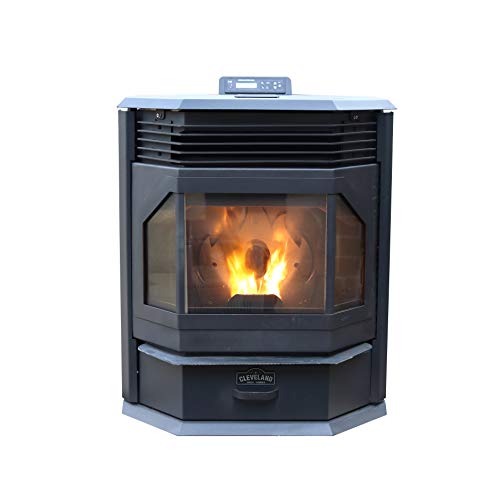
The Cleveland Iron Works Bayfront Pellet Stove is built for substantial basement spaces, delivering heat in the 1,800 to 2,500 square foot range. It includes built-in WiFi for remote monitoring and control of temperature, fuel consumption, and burn rate, which is especially useful in basements with varying occupancy. The unit is EPA approved and supports efficient combustion to help keep operating costs in check. Tax credits are available, making this a more attractive investment for homeowners upgrading older basements with modern heating technology.
Installation considerations focus on proper venting and safe clearance from combustibles. Like other mid-to-large stoves, the Bayfront model benefits from an appropriately sized chimney or vent kit and a solid, level floor beneath the unit. Routine maintenance includes ash disposal, pellet quality checks, and periodic inspection of gaskets and seals. WiFi connectivity simplifies routine checks and potentially reduces energy waste during off-peak hours.
Comfortbilt HP22i Pellet Stove

The Comfortbilt HP22i is a high-capacity insert-style stove designed for robust basement heating. It heats up to 2,800 square feet and includes a 47-pound hopper, offering a solid balance between refill intervals and compact footprint. Key features include high efficiency, programmable heat settings, auto ignition, and EPA approval. The 110-volt operation makes it compatible with most household electrical systems, and the programmable controls help fine-tune comfort and energy use for basement spaces that may see fluctuating occupancy or temperature swings.
Installers should account for ventilation needs and proper exhaust routing. The HP22i’s design supports versatile placements, including basement living areas, workshops, or open-concept lower levels. Regular maintenance, including ash removal and pellet quality checks, helps preserve performance. The combination of high heat output, reliable ignition, and smart controls makes this model a strong choice for basements requiring consistent warmth and minimal operational fuss.
Comfortbilt HP22-N Pellet Stove

The Comfortbilt HP22-N delivers basement warmth with a larger hopper and strong output. It heats up to about 2,800 square feet and uses an 80-pound hopper for longer burn cycles between refills. A notable caveat is that this model requires ventilation, so proper venting and installation clearances are essential. It is EPA approved, ensuring compliance with emissions standards. The HP22-N’s design emphasizes solid heat delivery, reliable startup, and straightforward maintenance, which is advantageous for basements that demand steady, residential-grade warmth during the colder months.
Installation planning should include ventilation assessment, vent routing options, and a stable mounting surface. Homeowners may appreciate the hopper size for reduced refilling, though the need for ventilation adds a layer of preparatory work. Routine service involves cleaning the burn pot and chimney connections, along with pellet quality checks to maintain efficient combustion and consistent temperature control in basement environments.
Buying Guide
Key considerations when selecting a pellet stove for a basement
Basement environments differ from living rooms due to humidity, airflow, and space layout. Capacity is often the primary determinant: larger rooms or open-plan basements benefit from stoves that deliver heat well above 2,000 square feet. Consider whether you need a freestanding stove or an insert, as this affects installation costs and venting paths. Look for EPA approval for clean combustion, and evaluate hopper size to estimate refill frequency. Smart controls and WiFi connectivity can simplify temperature management in spaces with variable occupancy or airflow.
Ventilation, clearances, and installation
Ventilation is crucial in tight basement spaces. Ensure you have appropriate clearances from walls, ceilings, and combustible materials, and plan a safe venting route to the exterior or existing chimney. A well-sealed installation reduces drafts and improves efficiency. Floor protection mats or a noncombustible base help prevent heat damage. If you live in a climate with damp basements, prioritize models with good draft performance and stable burn rates to avoid excessive humidity or uneven heating.
Efficiency, emissions, and pellet quality
Efficiency ratings influence operating cost and overall warmth. EPA-approved units typically offer cleaner combustion and lower emissions, which translates to less ash and easier maintenance. Pellet quality affects burn consistency; low-quality pellets can increase ash buildup and reduce efficiency. Budget for pellets that meet the stove’s sizing requirements and storage space near the unit to maintain a steady supply without introducing moisture or pests.
Smart features, warranties, and long-term value
Smart features such as built-in WiFi enable remote monitoring and adjustments, which is valuable for basements where temperature fluctuations may occur when you’re away. Verify warranty terms, especially for moving parts, igniters, and the hopper assembly. A durable hopper and robust burn chamber contribute to longer service life and fewer mid-season repairs, ultimately affecting total ownership costs.
Tax credits and incentives
Several models in this review reference a 30% IRS Biomass Stove Tax Credit. If eligible, this incentive can significantly offset the purchasing cost. Check current federal and local programs before purchasing, and document installation details to support tax credit claims. The presence of tax incentives can be a meaningful factor when comparing slightly higher upfront costs against long-term savings.