In this guide
Glass surfaces shine brightest when wiped with the right towel. This guide compares top paper towel options and window-friendly cloths for cleaning windows, mirrors, and glass surfaces. Each pick is evaluated on absorbency, lint, streaking, and durability, helping homeowners, DIYers, and professional detailers choose confidently. The list below covers traditional paper towels, shop towels, and microfiber cloths, offering practical options for home use, garages, and detailing work.
| Product | Brand | Type | Best For |
|---|---|---|---|
| Scott Shop Original Glass Towels | SCOTT SHOP ORIGINAL | Cloth-Like Paper Towels | Polishing glass, chrome, mirrors |
| Scott Shop Towel Roll | Kimberly-Clark | Shop Towels | Heavy-duty cleanups, wet use |
| Brawny Tear-A-Square 3-Ply | Brawny | 3-Ply Paper Towels | Strong, customizable sheet sizes |
| Galaxy Glass Cleaning Towels | Galaxy Products | Cotton Towels | Streak-free glass cleaning |
| E-Cloth Window Cleaning Cloth Kit | E-Cloth | Microfiber Cloth Kit | Streak-free cleaning with water |
Scott Shop Glass Towels For Windows

Scott Shop Original Glass Towels are cloth-like towels designed for garage and workshop use. They excel at spray-and-wipe tasks and are specifically intended for polishing and wiping glass, chrome, windows, and mirrors. The towel texture blends the convenience of disposable towels with the reusability of cloth options, supporting efficient cleanup of automotive glass and metal surfaces. Use them damp for lifting grease and dust, then finish with a dry pass to reduce streaks. They are well suited for quick wipe-downs in a detailing setting or home workshop.
In practice, these towels deliver a clean, lint-minimized finish when used with a light cleaning spray. They work well on a variety of glass surfaces, including mirrors and windows, and can be a cost-effective option for frequent window touch-ups. For best results, pair with a gentle cleaner or plain water, and avoid saturating too heavily to minimize residual streaks.
Scott Shop Towel Roll – 55 Count

Kimberly-Clark’s Scott Shop Towel Roll brings bulk towels designed for cleaning up grease, liquids, oils, and spills in garages and auto repairs. The towels are ultra-strong, durable, and perform well even when wet. The standard blue roll format fits on most paper-towel dispensers and is perforated for easy tearing, ensuring you can grab the right size for any wipe. While not specifically formulated for glass, these towels are practical for initial cleanups around windows, frames, and sills, often followed by a microfiber cloth for the final polish.
Pros include wet-strength and bulk value, which helps with heavy-duty cleaning tasks. A potential drawback is the heavier texture compared to finer glass-specific cloths, which can leave more lint if used aggressively on very delicate or glossy surfaces. For windows, use a damp towel first, then switch to a lint-free cloth or a microfiber to finish the surface clean.
Brawny Tear-A-Square 3-Ply Towels

Brawny Tear-A-Square 3-Ply Paper Towels offer strong performance with customizable sheet sizes. Each pack includes 12 family rolls, delivering significantly more sheets than standard double rolls. The three-ply construction provides improved absorbency and durability for spills and heavy grime, which is useful during window cleaning when removing built-up dust and residues. The quarter, half, and full-sheet options help minimize waste. For windows, these towels are excellent for rapid pre-cleaning and lifting grease, followed by a lint-free cloth to prevent streaks on glass surfaces.
Considerations include the balance between sheet size and waste reduction. While highly absorbent, cutting sheets too small can lead to more frequent changes. Use larger sheets for larger panes, and reserve smaller sheets for precise corner work or sills to reduce streak formation during dries and buffing.
Galaxy Glass Cleaning Towels 18-Pack

Galaxy Glass Cleaning Towels are 18-pack cotton towels designed for streak-free glass cleaning. The 100% cotton fabric is absorbent and soft, making them suitable for mirrors, crystal surfaces, tiles, and glass panels. These towels work well with water or mild cleaners and can help lift residues without leaving lint behind. Their cotton composition differs from microfiber, offering a different feel and potential finish. For windows, use a damp towel to lift dust, then buff with a dry towel to minimize streaks and increase clarity on reflective surfaces.
Advantages include natural fiber absorbency and a gentle touch on delicate surfaces. A potential limitation is that cotton towels may require a follow-up wipe with a clean cloth to avoid any residual fibers. They are a strong choice for homeowners who prefer natural fabrics and want a reusable option for routine window cleaning.
E-Cloth Window Cleaning Cloth Kit
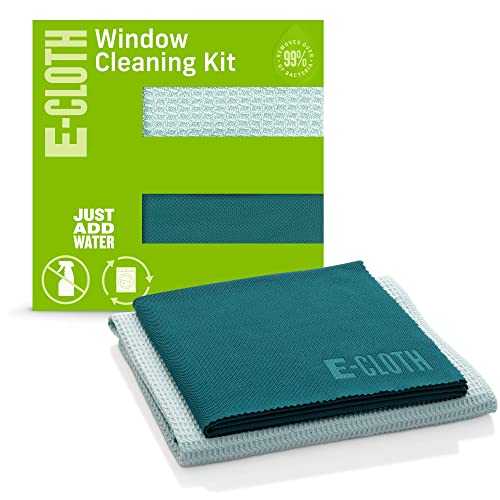
E-Cloth Window Cleaning Cloth Kit uses a two-cloth system and water-only cleaning to achieve streak-free windows. The waffle-weave Window Cloth activates with water to loosen grease and grime, while the smooth Glass & Polishing Cloth finishes by removing residues and drying the surface. The kit emphasizes minimal chemical use, relying on microfiber technology to trap dirt. This approach is popular for eco-conscious buyers and those who want quick-drying glass and mirrors with a single pass.
Two-cloth design and machine-washable reuse support long-term savings and reduced waste. When using with cleaner, ensure the solution is compatible with microfiber, avoid fabric softeners, and air-dry to maximize lint-free performance. For best results, wipe in a consistent pattern—top to bottom and from the center outward—on smooth glass surfaces and polished metal finishes.
Buying Guide
Choosing the right towel for window cleaning hinges on surface type, frequency of use, and preferred maintenance. Here are key purchase considerations and practical comparisons across the five highlighted options.
- Material and finish: Paper towels offer convenience and throw-away simplicity, while cloth towels (cotton, microfiber) provide reusability and potential streak reduction. For windows, microfiber and lint-free cotton generally yield cleaner finishes, with microfiber excelling when paired with minimal moisture.
- Absorbency and lift: High absorbency helps lift dust, grease, and water without saturating panes. Three-ply or thicker towels can prevent drips but may require more careful handling to avoid streaks.
- Lint and residues: Lint-free or low-lint options are crucial for clear, streak-free glass. Cloths designed for glass often minimize fiber shedding and leave less residue than some traditional paper towels.
- Durability and reuse: Reusable options (microfiber, cotton towels) reduce waste and cost per use when laundered properly. Perforated rolls and disposable towels offer quick cleanup with less maintenance.
- Surface compatibility: Glass, mirrors, and chrome surfaces benefit from non-abrasive wipes. Avoid rough textures on highly polished surfaces to prevent micro-scratches; reserve coarser towels for initial grime and use finer cloths for final polish.
- Cleaning approach: Some products rely on water only (E-Cloth), while others pair with mild cleaners. Evaluate your preferred method—eco-friendly water-only wipes vs. product-assisted cleaning—and ensure compatibility with the cleaning agents you use.
- Cost per use: Consider sheet count, durability, and reusability. A higher upfront cost may pay off with longer life and fewer replacements, especially for frequent window cleaning in homes or garages.
- Environmental impact: Reusable cloths reduce waste but require washing. If you prefer disposables, select products with high absorbency and low lint to minimize waste while achieving a good finish.
- Maintenance and care: For microfiber and cotton towels, avoid fabric softeners and high heat in washing to preserve absorbency and lint-free performance. Dryers can help restore fluff, but air-drying is gentler on fibers.
In summary, the best window-cleaning approach often combines towels: a sturdy, absorbent base (like a shop towel or heavy-duty paper towel) for initial grime, followed by a lint-free microfiber or cotton cloth for a streak-free finish. The five products discussed here cover a spectrum of needs—from disposable convenience to long-term reuse—making it easier to tailor your kit to your home, garage, or professional detailing routine.