Best Pool Paints for Swimming Pools: Durable Finishes and Easy Application
Choosing the best pool paint depends on surface type, climate, and maintenance goals. The options below represent top epoxy and water-based acrylic finishes that perform on plaster, fiberglass, and concrete pools. Each pick balances durability, ease of application, and color variety, helping homeowners protect and beautify their pools for seasons to come. The following summary table highlights key specs for quick reference.
| Product | Brand | Finish Type | Approx Coverage | Notes |
|---|---|---|---|---|
| Olympic Pool Paint Zeron Bikini Blue | Kelley Technical Coatings | Two-part Epoxy | 125-150 sq ft per gallon | Includes base and catalyst. Mix thoroughly. Color accuracy may vary on digital screens. |
| INSL-X Waterborne Royal Blue | INSL-X | Waterborne Acrylic | Not specified | For fresh or saltwater pools; quick-drying finish. |
| In The Swim Dark Blue Epoxy | In The Swim | Epoxy | 150-200 sq ft per gallon | High-gloss epoxy coating with long-lasting wear. |
| Doheny’s Pro-Grade Self-Priming Epoxy | Doheny’s | Self-Priming Epoxy | Not specified | Self-priming; suitable for multiple substrates; satin finish. |
| Olympic Hydrolon White | Kelley Technical Coatings | Water-based Acrylic | 250-300 sq ft per gallon | Low-sheen satin finish; color may vary by display. |
Zeron Bikini Blue Epoxy Pool Paint

The Olympic Zeron epoxy pool paint is a two-part system from Kelley Technical Coatings. It includes a gallon base and a quart catalyst and must be thoroughly mixed before use. The gallon is short filled to accommodate catalyst mixing, delivering a finished single gallon of mixed paint. Expect strong adhesion to plaster, fiberglass, steel, and aluminum pools, with coverage around 125-150 square feet per gallon. Digital color representations may vary; test a sample before full application.
Application notes emphasize proper mixing and surface preparation to maximize durability. As a high-build epoxy, this option provides a durable, glossy finish that withstands pool chemistry over time. Plan for a complete dry and cure period in a shaded, ventilated area to avoid premature wear or color inconsistencies.
Royal Blue Acrylic Pool Paint
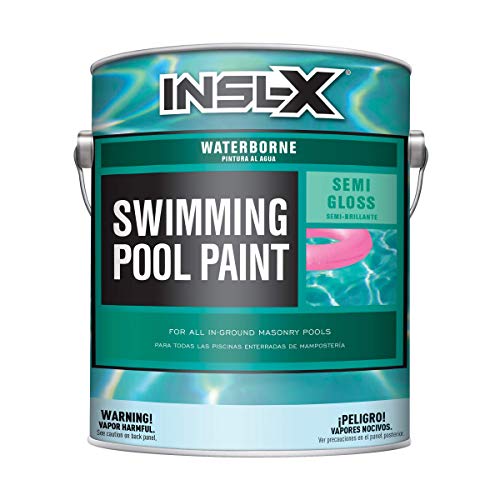
INSL-X Royal Blue is a waterborne acrylic pool paint designed for use in fresh or saltwater environments. This quick-drying acrylic emulsion provides a flexible, breathable coating that resists common pool chemicals. While the listing highlights its compatibility with multiple pool substrates, users should prepare surfaces properly and follow product instructions to achieve uniform color and adhesion. The Royal Blue shade offers a bold, vibrant finish that stays visually appealing with routine maintenance.
Because this is a waterborne acrylic, it is generally easier to apply and recoat than some epoxy systems. It is well-suited for pools that require easier cleanup and faster initial cure times. Be mindful of surface prep, humidity, and temperature to optimize drying times and color consistency across the pool.
Dark Blue Epoxy Pool Paint

In The Swim Dark Blue Epoxy Pool Paint represents a premium epoxy coating designed for long-lasting protection and a striking, high-gloss finish. Epoxy systems like this one deliver strong resistance to stains and chemical wear, making them popular for durable pool surfaces. Coverage is typically around 150-200 square feet per gallon, depending on surface texture and porosity. Proper surface preparation, priming where needed, and adherence to cure times are essential for maximizing the life of the coating.
Users should anticipate a robust, ceramic-like look with a deep blue tone. The epoxy format is best suited for residents seeking extended intervals between reapplications, especially in high-usage pools or areas with intense sun exposure. Follow label directions for mixing, application temperature, and curing to ensure optimal results.
Pro-Grade Epoxy Pool Paint

Doheny’s Pro-Grade High Build Self-Priming Epoxy Pool Paint is designed for broad substrate compatibility, including concrete, fiberglass, plaster, gunite, and previously painted epoxy. The self-priming capability simplifies surface preparation, reducing prep time while delivering a durable epoxy finish. The product notes indicate a satin finish, which provides a balanced shine and easier maintenance compared with high-gloss epoxies. This option is suitable for DIY resurfacing projects that require strong adhesion across diverse pool surfaces.
For best results, ensure proper substrate preparation and follow recommended cure times to maximize adhesion and longevity. Self-priming epoxy can deliver excellent wear resistance in both indoor and outdoor pool environments, making it a versatile choice for various pool renovations.
Hydrolon White Pool Paint

Olympic Hydrolon White is a water-based acrylic emulsion pool coating offering a low-sheen satin finish for plaster or concrete pools. The product includes a gallon and provides a broad coverage estimate of 250-300 square feet per gallon, depending on surface texture. As with any acrylic, surface preparation and proper curing are key to achieving an even color and durable finish. Color consistency may vary by display, so test patches on a non-visible area first.
Acrylic-based Hydrolon is typically easier to apply and recoat than epoxy, with shorter initial drying times. It suits pools that prioritize ease of maintenance and simpler touch-ups while delivering a respectable protective layer against pool chemicals and weather.
Buying Guide
When selecting pool paint, consider surface material (plaster, gunite, fiberglass, concrete), existing coatings, and local climate. Epoxy paints tend to deliver superior durability and a glossy finish, but require careful surface prep and longer cure times. Water-based acrylics are easier to apply, have faster initial cures, and are simpler to touch up, yet may wear more quickly in high-traffic or chemical-heavy pools. The best choice depends on pool type, maintenance expectations, and climate conditions.
Surface compatibility
Epoxy paints bond strongly to plaster, gunite, and fiberglass after suitable preparation and, in some cases, priming. Self-priming epoxy formulas can simplify prep, but verify compatibility with your pool’s substrate and any existing coatings before application.
Epoxy vs Acrylic
Epoxy finishes offer long-lasting protection with a glossy, ceramic-like appearance, typically lasting 5-8 years with proper care. Acrylic paints are easier to apply, recoat, and clean up, with faster initial cures. Saltwater pools should use products specifically labeled for salt exposure and colorfastness. In many cases, a hybrid approach—epoxy for durability in high-use areas and acrylic for easy maintenance on less trafficked zones—is effective.
Coverage and recoat times
Check per-gallon coverage figures and the recommended recoat windows. Epoxy coatings often cover 150-200 sq ft per gallon, while acrylics vary by product and surface. Do not rush cures, particularly in hot sun or high humidity, to prevent imperfections and peeling.
Finish and color considerations
Glossy epoxy finishes create a striking look but may reveal minor surface flaws. Satin or low-sheen acrylics can hide surface irregularities and simplify cleaning. When selecting color, consider pool water color, lighting, and surrounding surroundings to maximize aesthetic appeal.
Maintenance and safety
Proper surface preparation, accurate mixing, and ventilation during application are essential for safety and performance. Follow label instructions for safety and cure times. After curing, routine cleaning and gentle scrubbing help preserve color and finish, especially in high-traffic or sunny pool areas.