Best Paints for Marine Plywood: Topsides and Deck Coatings
Marine plywood surfaces demand coatings that endure exposure to sun, salt, moisture, and abrasion. The right paint system depends on whether the surface is above or below the waterline, the desired finish, and how you plan to maintain the surface over time. This guide spotlights five marine-grade paints and coatings that work well on plywood used in boats, yachts, docks, and other projects. You’ll find top-sides enamels, a high-traction deck coating, a primer for fiberglass and wood, a non-skid option, and a touch-up pen to handle small repairs. Each product is linked to its Amazon listing for easy comparison and purchase.
| Product | Brand | Best For | Notes |
|---|---|---|---|
| Rust-Oleum Marine Topside Enamel | Rust-Oleum | Above-waterline plywood surfaces | Gloss white, oil-based, fast-drying, covers up to 100 sq ft |
| TotalBoat Wet Edge Topside Paint | TotalBoat | Durable topsides on boats and similar surfaces | High-gloss, 1-part, above-waterline use |
| TotalBoat Marine Topside Primer | TotalBoat | Priming fiberglass or wood prior to topside paint | One-part marine primer; seals surfaces with a thin coat |
| TotalBoat TotalTread Non-Skid Deck Paint | TotalBoat | Decks and other walkable plywood surfaces | Non-skid, textured finish; durable polyurethane |
| SENVEN Black Touch Up Pen | SENVEN | Small touch-ups on hulls and topsides | High-gloss, built-in brush; water-based |
Note: The following sections describe each product in more detail. Regardless of the option you choose, proper surface preparation, including cleaning, sanding, and masking, will improve adhesion and durability. For any project over the waterline, ensure you pick a coating formulated for above-waterline use and compatible with your substrate and any existing coatings.
Rust-Oleum Marine Topside Enamel

Rust-Oleum 206999 Marine Topside Enamel is designed for surfaces above the waterline, making it a practical choice for marine plywood used on decks, cabins, and hull sections that stay dry. The oil-based formula delivers a flexible film with excellent leveling, helping to resist cracking in sun and spray. A gloss white finish provides a bright, durable appearance on fiberglass, wood, or metal substrates when used above the waterline.
- Ideal for above-waterline fiberglass, wood, or metal surfaces
- Oil-based formula is flexible and applies easily with excellent leveling
- Dries to the touch in 1–2 hours and covers up to 100 sq ft
Prep and application tips: Begin with a clean, dry surface; lightly sand for adhesion; apply thin coats, allowing adequate cure between passes. Use compatible primers if required by the substrate, and avoid applying heavy coats that can lead toRuns or sagging. For maintenance, clean with mild cleaners suitable for marine paints and recoat as needed based on wear and exposure.
TotalBoat Wet Edge Topside Paint

TotalBoat Wet Edge Marine Topside Paint delivers a durable, high-gloss finish designed for boats, yachts, and other surface projects exposed to marine conditions. It’s a 1-part formula, making it simple to apply with brushes, rollers, or sprayers. The coating resists fading, cracking, and peeling, offering strong color and gloss retention over multiple seasons, while remaining easy to clean and maintain above the waterline on plywood, fiberglass, or wood surfaces.
- Durable, high-gloss marine-grade paint with excellent color retention
- Easy to apply as a 1-part formula; brush, roller, or spray methods
- Designed for above-waterline use; resists fading, cracks, and peels
Application guidance: Use on clean, dry surfaces; sand to create a profile suitable for your coating system; apply thin, even coats and follow manufacturer recommendations for drying and recoat windows. For best results, pair with compatible primers on bare wood or fiberglass to maximize adhesion and longevity.
TotalBoat Marine Topside Primer

TotalBoat Marine Topside Boat Paint Primer for Fiberglass and Wood provides a durable undercoat for marine topside paints. This one-part primer is designed for surfaces above the waterline and works well under 1-part or 2-part polyurethane and enamel topside paints. It will seal the surface with a single thin coat, minimizing finish imperfections. If you need a higher build, apply a second coat as needed, and address larger imperfections with TotalBoat TotalFair epoxy fairing compound before priming.
- One-part marine primer for boats provides a durable undercoat
- Seals surfaces with one thin coat; second coat if needed for higher build
- Easy to apply by brushing, rolling, or spraying; lead-free and chromate-free
Tips for use: Ensure the surface is clean, dry, and free of oils. Use appropriate PPE and ventilation when applying coatings. For bare wood or fiberglass, a light sanding enhances adhesion. After priming, select a compatible topside paint and follow its recoat intervals for best results on plywood surfaces exposed to sun and spray.
SENVEN Black Touch Up Pen
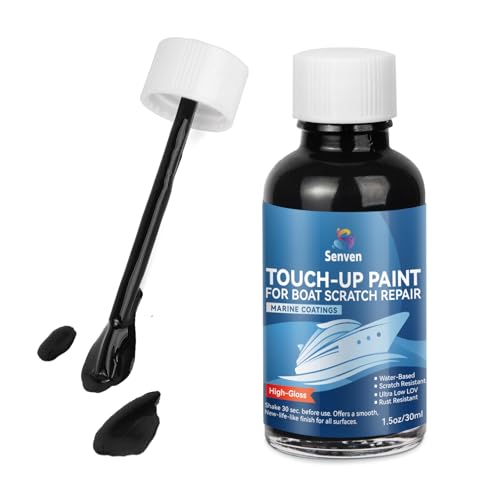
SENVEN Black Touch Up Pen offers a convenient, built-in brush solution for small repairs on boats, wood, fiberglass, aluminum, and other marine substrates. The water-based formula provides a high-gloss marine finish with durable adhesion and UV resistance, helping to fix chips, cracks, pits, and scratches on hulls and topsides. It’s designed for quick renovations and storage in tight spaces, making it a practical addition to a marine paint kit for plywood surfaces.
- Gloss marine-grade paint with built-in brush for precise application
- Durable adhesion; UV, chemical, and abrasion resistant
- Suitable for interior and exterior use; compact and easy to store
Usage guidance: Clean the touched area, shake well, and apply a thin coat over the damaged spot. Allow to dry before handling. Use on minor repairs between larger coating projects to maintain a uniform appearance on plywood surfaces above water.
Buying Guide
Choosing the right paint for marine plywood involves evaluating surface type, exposure, and maintenance needs. Below are the key purchase considerations and how they apply to the products above.
Key purchase considerations
- Substrate compatibility: Plywood used on boats and docks often requires primers and coatings designed for wood, fiberglass, or metal. For bare plywood, starting with a primer like TotalBoat Marine Topside Primer helps improve adhesion and film formation for the topcoat.
- Above-waterline vs below-waterline: Above-waterline finishes such as top-sides enamels or high-gloss topside paints are designed to resist UV, rain, and salt while maintaining color. Below-waterline coatings (not in this list) typically focus on antifouling properties. If part of your project includes below-waterline surfaces, consider antifouling coatings separately.
- Finish and durability: Gloss finishes provide vibrant color and a protective film but can show surface imperfections. Non-gloss finishes may hide flaws better but may require more frequent cleaning. For plywood decks, a non-skid option like TotalBoat TotalTread improves traction and safety.
- Application and workability: 1-part systems like Wet Edge are easier to apply and cleanup than multi-part systems. Brush, roller, and spray compatibility expands options for large areas or complex shapes. Follow manufacturer recommendations for application conditions and cure times.
- Drying time and recoat windows: Short drying times can speed up projects but require careful staging to avoid damage. Oil-based enamels may cure more slowly in cool or humid conditions, while water-based options dry faster but may need more coats to achieve a smooth finish.
- Traction and surface safety: Decks require non-slip surfaces. Non-Skid Deck Paints like TotalTread deliver texture and traction, while maintaining a durable finish that stands up to foot traffic and weather.
- Maintenance and touch-ups: Touch-up pens, as with SENVEN, are useful for small repairs, but larger areas will require proper color-matching and blending with the surrounding coating. Having compatible primers and topcoats on hand helps maintain uniform appearance over time.
- Environmental and safety considerations: Check VOC levels, lead content, and product safety data sheets. Ensure adequate ventilation during application and proper disposal of unused coatings and containers.
Product type comparisons
- Topside enamel vs. topcoat polyurethane: Enamels such as Rust-Oleum Marine Topside Enamel provide a durable, flexible film with good color retention, while polyurethane-based topcoats (like TotalTread or Wet Edge) offer strong abrasion resistance and gloss, often requiring more careful surface preparation but delivering long-lasting finishes.
- Primer necessity: For new or repaired plywood, applying a compatible primer such as TotalBoat Marine Topside Primer improves adhesion and smoothness, especially when the surface has previous coatings or uneven textures.
- Non-skid considerations: Deck surfaces benefit from non-skid finishes to improve safety. Non-Skid Deck Paints are formulated to provide traction, while still offering durable protection against UV and moisture.
- Touch-up strategies: For small repairs, touch-up pens from SENVEN provide a convenient option to maintain color continuity between larger coating projects, though they are best used for minor chips and scratches rather than large damaged areas.
By aligning your choice with the substrate, location, and maintenance plan, you can select a marine plywood coating that delivers both aesthetics and durability. Always follow the manufacturer’s instructions for surface preparation, application, and curing to maximize performance and longevity of your topside and deck coatings.