In this guide
Rosewood furniture often benefits from careful oil care to protect the wood and maintain its natural color. This guide reviews five relevant products, focusing on oil-based finishes and compatible scents that won’t obscure the grain. Each product is evaluated for finish, drying time, and suitability for indoor use. A quick table highlights the key details for comparison. The goal is to help you choose an oil that preserves the rosewood’s beauty while delivering durable protection.
Below is a concise summary of the five chosen products, highlighting their primary use and benefits to help you compare at a glance.
| Product | Brand | Type | Key Benefit |
|---|---|---|---|
| Boiled Linseed Oil | Furniture Clinic | Wood Oil | Glossy, natural finish; fast-drying |
| Teak Oil | Furniture Clinic | Wood Oil | Protects and enhances golden-brown tone |
| Pledge Wood Oil | Pledge | Wood Oil | Conditions wood and leather; amber scent |
| Danish Oil | Furniture Clinic | Wood Oil | Natural satin finish; seals and protects |
| Sun Rosewood Essential Oil | Sun Essential Oils | Essential Oil | Aromatic diffuser oil; fragrance for ambiance |
Boiled Linseed Oil For Rosewood Furniture

Furniture Clinic Boiled Linseed Oil carries the Good Housekeeping Seal, reflecting independent testing and validation of its claims. The oil penetrates wood pores to revive the grain and deliver a glossy, natural finish that slightly darkens the wood while maintaining a subtle, authentic look. It’s formulated for wood surfaces across a home—tables, cabinets, handles, and more—and can be used on compatible materials such as stone or metal when appropriate. The result is a durable coat that enhances the wood’s inherent beauty without overpowering the rosewood’s character.
Boiled Linseed Oil differs from plain linseed oil by being treated to speed drying, producing a tough, wear-resistant layer with a light gloss. It can be applied with a cloth or brush, and recoated after the initial cure. When used on rosewood furniture, it can act as a maintenance layer that refreshes the grain, or serve as a foundational coat before a topcoat for added protection. Proper ventilation and a clean workspace help optimize results and odor outcomes during application and curing.
Teak Oil For Wood Furniture
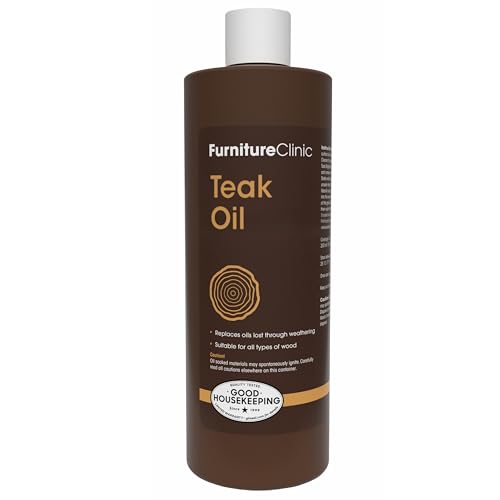
Furniture Clinic Teak Oil restores the beauty of grey, weathered teak to a long-lasting golden-brown natural finish. It provides a protective seal that guards indoor and outdoor wooden items from UV exposure, helping prevent further drying, warping, and splitting. The oil works on teak as well as other hardwoods and exotic woods, sealing unfinished surfaces and restoring color while forming a water-resistant barrier. It’s especially useful for garden furniture, shower benches, and other exposed pieces where weathering is a concern, making it a practical option for rosewood furniture in mixed-use spaces when treated as part of a broader care routine.
Applying the teak oil creates a protective seal that slows the effects of weathering, drying cycles, and moisture intrusion. Reapplication is straightforward and helps maintain color and durability over time. The result is a breathable, water-resistant surface that preserves the natural texture and grain. If your rosewood pieces spend time in sunny or humid environments, Teak Oil can be a valuable component of a multi-step care plan, typically followed by a topcoat for enhanced wear resistance in high-traffic areas.
Pledge Wood Oil For Furniture

Pledge Moisturizing Wood Oil conditions and protects the appearance of wood and leather furniture. It can revive wood surfaces such as kitchen cabinets, windowsills, tables, chairs, and other wood accents, delivering lasting conditioning and a pleasant amber and argan scent. The oil nourishes dry wood, helping prevent cracking and dulling while maintaining the wood’s color and texture. In addition to nourishment, the scent enhances the care routine without overpowering room aesthetics. It is designed for everyday use, offering a practical option for regular upkeep in busy homes with rosewood furniture.
For application, the oil penetrates and nourishes dry wood, supporting resilience against daily wear. It can be used on a range of indoor wooden components, including cabinets and tables, and pairs well with light stains or sealants when building a broader finishing plan. The amber-argan fragrance provides a subtle sensory improvement during maintenance, making routine care more pleasant without obscuring the natural beauty of the rosewood grain.
Danish Oil For Wood Care

Furniture Clinic Danish Oil provides a practical sealing and protective layer for interior and exterior wood, helping extend a project’s lifespan against moisture, dirt, and wear. It is designed to be used after staining to seal in color and to provide added protection. The oil dries to a natural satin finish that highlights the wood’s grain with a subtle sheen, making it suitable for rosewood pieces where a gentle, balanced appearance is desired. This product supports a simple maintenance routine by delivering a durable, protective film with minimal impact on color.
When used correctly, Danish Oil creates a robust barrier that resists water and dirt, enabling outdoor and indoor pieces to endure daily use. It can be integrated into a broader finishing plan and is often employed as the final step after staining to lock in color and protect from wear. The non-toxic formulation is friendly for households and enables consistent maintenance across various wood types, including rosewood, without introducing harsh odors or high gloss levels.
Rosewood Essential Oil For Aromatherapy

Sun Essential Oils Rosewood Essential Oil is a 4-ounce bottle designed for diffusion, personal care, and DIY crafts rather than as a wood finish. While not a finishing product for furniture, rosewood essential oil offers a fragrant option surrounding rosewood pieces. The oil is packaged with a pipette for precise use and can be added to diffusers, mixed with carrier oils for skin care, or incorporated into candles and soaps. Its floral-woody scent can complement spaces featuring rosewood furniture, creating a calming ambiance without altering the wood surface itself.
Use around furniture with awareness of skin sensitivities and dilution guidelines. The diffusion duration and intensity depend on room size and diffuser settings, but only a few drops are typically needed to achieve the desired aroma. This oil is best suited for scent rather than wood treatment, making it a complementary component in a rosewood care setup for environments where fragrance enhances the space without contacting the wood itself.
Buying Guide
Oil Type And Finish
Oil finishes fall into drying oils (like linseed and danish oils) and non-drying options. Drying oils cure to a film that protects wood and enhances color, but they may alter the natural hue of rosewood over time. Non-drying finishes, like some sealers, provide durable protection with less color change. Consider the desired sheen—glossy, satin, or matte—and how it complements the rosewood’s natural grain before choosing an oil.
Indoor Vs Outdoor Use
For indoor rosewood furniture, prioritize finishes designed for interior environments with low emissions and easy touch-ups. Outdoor or sun-exposed pieces require UV protection and water resistance to prevent fading and warping. Oils such as teak or Danish formulations for exterior use are beneficial for pieces that face weather, while indoor pieces benefit from finishes that emphasize grain and color with minimal maintenance.
Color Impact And Grain Enhancement
Rosewood has rich color and distinct grain. Some oils darken or warm the wood, while others preserve a closer-to-natural look. If you want minimal color change, select a clear or lightly tinted oil and test on a hidden area first. For rosewood lovers who want more depth, a slightly amber or warm finish can enhance grain but should be applied evenly to avoid blotching.
Maintenance And Reapplication
Oil finishes require periodic maintenance. Light cleaning, followed by a quick reapplication, helps sustain moisture levels and gloss without buildup. The frequency depends on use, exposure, and whether a topcoat was added. When reapplying, ensure the surface is clean and dust-free, and follow product-specific instructions for drying times between coats to avoid tackiness or streaks.
Safety And Aromatics
Essential oils offer fragrance and aromatherapy benefits but can irritate sensitive skin or cause allergic reactions if used undiluted. Always dilute according to guidelines when applying topically and ensure adequate ventilation when diffusing. If the wood is finished with oils and you plan to use essential oils nearby, test compatibility to avoid any unintended reactions or odor conflicts with the wood’s finish.