In this guide
- CARON & DOUCET Cast Iron Oil & Soap Set
- Crisbee Stik Cast Iron Seasoning
- Clark’s Cast Iron Seasoning Oil
- Verdana Cast Iron Seasoning Oil
- Walrus Oil Cast Iron Oil
- Buying Guide
- Oil Type And Purity
- Safety And Certifications
- Application Method And Convenience
- Aroma, Odor Control, And Flavor Neutrality
- Value, Packaging, And Longevity
Choosing the right oil for seasoning and maintaining an iron skillet can impact flavor, durability, and how cleanup goes after cooking. This guide spotlights five top plant-based, food-grade oils and oil-based care products designed to protect cast iron while building a durable, non-stick patina. Each option emphasizes high heat stability, odor control, and practical use for American kitchens—from home cooks to seasoned pros.
| Product | Brand | Key Benefit |
|---|---|---|
| Caron & Doucet Cast Iron Oil & Soap Set | Caron & Doucet | Plant-based seasoning oil plus soap; odor control |
| Crisbee Stik Cast Iron Seasoning | Crisbee | Grapeseed oil and beeswax; economical |
| Clark’s Cast Iron Seasoning Oil | Clark’s | Premium coconut oil; rust prevention; smooth finish |
| Verdana Cast Iron Seasoning Oil | Verdana | 100% coconut-derived; no mineral oil; organic |
| Walrus Oil Cast Iron Oil | Walrus Oil | High smoke point; plant-based; restores |
CARON & DOUCET Cast Iron Oil & Soap Set
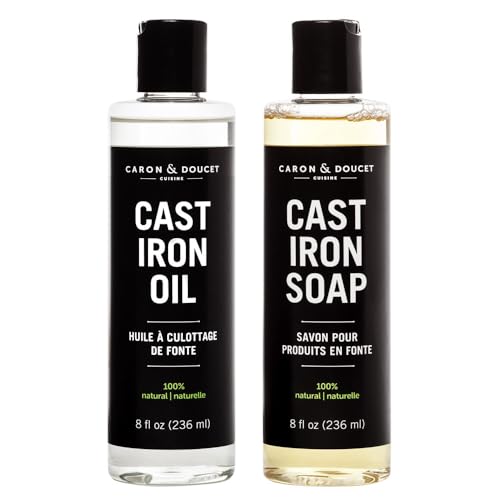
The CARON & DOUCET set combines a plant-based seasoning oil with a dedicated cast iron soap. The soap is formulated with 100% natural plant-based oils and is free of sulfates, phosphates, parabens, and petrochemicals, making it gentle on seasoning and hands. The coconut oil base is solvent-less and food-grade, designed to be safe for food contact while helping protect the skillet’s surface and prevent rancidity over time.
Expect a three-in-one approach: cleaning, seasoning, and odor management. The oil is designed to stay stable and not go rancid, while the essential oils help neutralize lingering cooking smells. This makes it practical for regular washing, restoration, and re-seasoning of cast iron skillets, pans, and even grills. The 8-ounce bottle size offers a convenient balance between consumption and cost for typical kitchen use.
Usage tips emphasize applying after washing while the pan is warm, wiping away any excess, and allowing the oil to polymerize with a brief heat to reinforce the seasoning layer. The blend’s plant-based focus supports easy upkeep without harsh chemical residues. This set is well-suited for cooks who value a complete cleaning-and-seasoning routine.
Crisbee Stik Cast Iron Seasoning
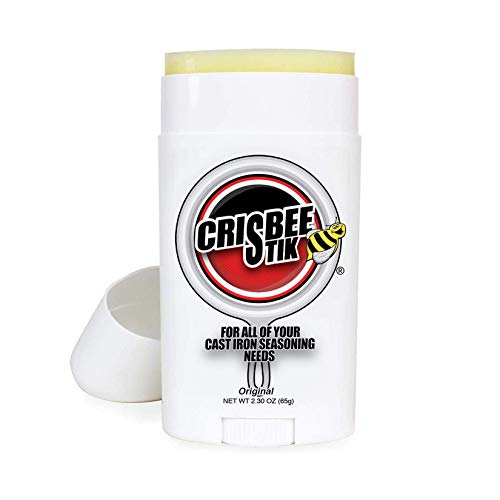
This seasoning is built around grapeseed oil and beeswax, offering a practical, economical option for ongoing cast iron maintenance. The grapeseed oil provides a light, durable film that polymerizes into a resilient seasoning layer, while beeswax contributes to sealing and moisture resistance. The stick format supports precise application with minimal mess, making it a favorite for hands-on seasoning sessions.
Manufactured in the United States, Crisbee Stik aims to deliver a long-lasting non-stick effect without a heavy odor or rancid smell. A little goes a long way, so households with frequent seasoning cycles or larger skillets can rationalize the cost per use. The product is compatible with both cast iron and carbon steel, allowing for flexible kitchen use across different cookware types.
Application guidance emphasizes warming the pan, applying the stick sparingly, and spreading evenly with a clean cloth or paper towel. After even distribution, heat the pan to polymerize the oil, then wipe away any excess. Regular applications help sustain a smooth, seasoned surface that resists sticking and rust.
Clark’s Cast Iron Seasoning Oil

Clark’s Seasoning Oil centers on 100% plant-based coconut oil as a premium base designed to prevent rust and improve the natural non-stick properties of cast iron. The oil is positioned as an effective cast iron conditioner for skillets, griddles, and Dutch ovens, providing a durable finish that supports ongoing use. The coconut oil base emphasizes food-grade quality and a clean application experience.
In practice, this oil is used after washing and drying the skillet. A light layer is recommended to avoid a heavy buildup, followed by a brief heating cycle to polymerize and seal the seasoning. The product’s emphasis on vegan, refined coconut oil makes it a straightforward option for households seeking a mineral-oil-free maintenance routine that still delivers long-lasting protection against moisture and rust.
Users often appreciate the smooth, even finish this oil helps create, which contributes to easier future seasoning and cooking. The emphasis on a premium coconut oil base aligns with long-term care strategies for cast iron cookware and helps maintain a reliable non-stick surface across repeated use.
Verdana Cast Iron Seasoning Oil

Verdana’s seasoning oil is 100% coconut-derived and marketed as a safe, organic option for cooking surfaces. The product is labeled as kosher and non-GMO, with no mineral oil or petroleum derivatives. This transparency about ingredients appeals to health-conscious kitchens seeking plant-based alternatives that still deliver a robust seasoning layer.
The oil is designed to prevent rust and restore dull finishes on skillets, grills, and pans. Its coconut-derived base supports polymerization during heating, creating a durable seal that improves the surface’s non-stick performance over time. The absence of mineral oil makes Verdana a popular choice for users prioritizing natural, food-safe formulations.
For best results, apply a thin layer after cleaning and drying the cookware, then heat to encourage polymerization. Regular use can help maintain a protective patina and extend the life of seasoned cast iron surfaces. Verdana emphasizes purity and safety without sacrificing performance in real-world cooking scenarios.
Walrus Oil Cast Iron Oil
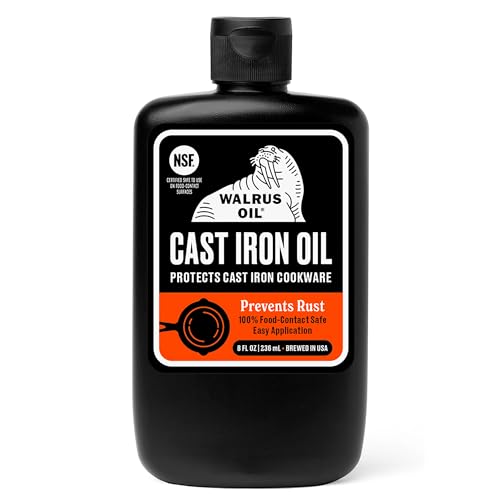
Walrus Oil is marketed for its very high smoke point, typically around 450-500°F, making it well-suited for seasoning layers that polymerize efficiently during preheating. This 100% natural plant-based oil is designed to restore and maintain cast iron cookware, including skillets and grills. The formulation aims to deliver a durable film without leaving a heavy residue or rancid odor while being easy to apply on a warm surface.
Fans of Walrus Oil point to its practical balance of performance and ease of use. The oil’s high smoke point supports robust seasoning cycles, helping to build a protective, non-stick patina over time. Regular use can contribute to longer-lasting protection against moisture and rust, with a clean, neutral flavor profile that won’t interfere with food.
For best results, apply a thin, even coat after cleaning, then bake or heat the pan to polymerize the new layer. Store in a cool, dry place to maintain freshness and effectiveness. Walrus Oil’s emphasis on natural ingredients and plant-based sourcing aligns with kitchens seeking straightforward, dependable cast iron care.
Buying Guide
Oil Type And Purity
Oil bases vary widely. Coconut oil-based formulas are common for their stable polymerization and neutral flavors, while grapeseed and safflower oils offer light, durable films that are easy to apply. Avoid mineral oil if you want a plant-based option, and check for solvent-free or 100% natural blends. For cast iron, a pure, food-grade base that polymerizes cleanly in oven or stovetop heat generally yields better long-term seasoning than heavier, synthetic blends.
Safety And Certifications
Look for food-grade labeling and certifications such as Kosher or Non-GMO if that matters to you. Some products explicitly state they are free from sulfates, parabens, and petrochemicals, which appeals to health-conscious cooks. If you have sensitivities, review the oil’s aroma additives or essential oil content, as these can impact aroma and flavor in finished dishes.
Application Method And Convenience
Consider how you prefer to apply oil. Liquid options are common, but some brands offer sticks or wipes that make precise application easier on warm cookware. A thinner, even layer that polymerizes during a heating cycle tends to create a more durable seasoning. If you regularly wash and re-season, choose a product that offers straightforward use and minimal mess.
Aroma, Odor Control, And Flavor Neutrality
Odor control can matter for kitchens where lingering smells remain after cooking. Some blends include essential oils to neutralize odors, while others aim for neutral scents. If you cook strongly flavored foods, an option with odor-control features can help keep your cookware smelling fresh between uses.
Value, Packaging, And Longevity
Assess value by considering how much you use per year and the oil’s shelf life. A small amount often goes a long way, especially with sticks or concentrated blends. Packaging should protect the oil from light and heat to preserve quality. Long-term storage considerations, such as refrigeration for certain organic blends, may extend the oil’s life but add convenience factors.
Across these options, the best choice depends on your cooking style, maintenance schedule, and preference for plant-based versus blended formulas. Each product above emphasizes safe, effective seasoning, rust prevention, and a durable, non-stick patina—key factors in keeping iron skillets performing well in everyday American kitchens.