In this guide
Choosing non-toxic sheet pans protects flavor, preserves nutrients, and helps keep your oven free from unwanted metals leaching into food. The following selections emphasize metal purity, safe coatings, and durable construction. Each option below is designed to resist warping, provide even heat, and simplify cleanup—without compromising safety. Read on to compare stainless steel, carbon steel with nonstick, and ceramic-coated pans from trusted brands.
| Brand | Sizes (approx.) | Material / Coating | Non-Toxic Features | Oven Safe |
|---|---|---|---|---|
| Wildone | 9″, 12″, 16″ (various) | Up to 450°F | ||
| NutriChef | Up to 450°F | |||
| TeamFar | Dishwasher safe; typically up to 450°F | |||
| GreenLife | Up to 450°F | |||
| Caraway | Up to 450°F |
Wildone 3-Piece Stainless Steel Sheets
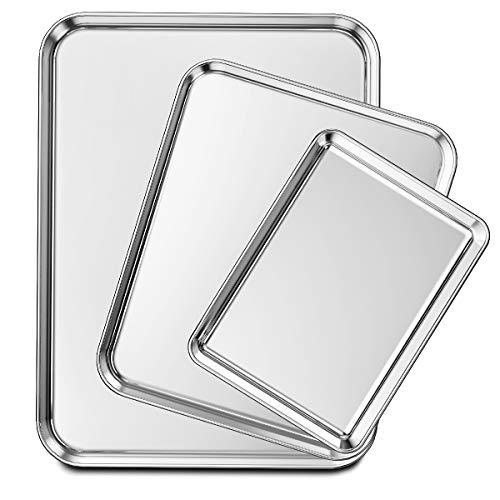
The Wildone set includes three sizes designed to cover a wide range of baking tasks. The sheets measure approximately 15.8 x 12 x 1 inches, 12.25 x 9.65 x 1 inches, and 9.37 x 7 x 1 inches, enabling everything from sheet pan dinners to cookies and roasting vegetables. Made of solid stainless steel, these pans are free from aluminum coatings and chemical additives, addressing concerns about metallic leaching and taste transfer. They’re built to last with sturdy construction and are rust resistant, fitting most regular toaster ovens and larger ovens alike. The pans are designed to endure up to 450°F, making them suitable for most standard recipes without warping. Easy to clean by hand or in a dishwasher, these pans avoid the potential odor and staining associated with nonstick coatings.
Users typically appreciate the compact storage, consistent browning, and the absence of chemical coatings that can flake or degrade over time. While stainless steel requires a bit more attention to preheating and oiling for sticky items, the non-reactive surface helps preserve the natural flavors of baked goods and roasts. The versatility extends beyond baking; they can serve as cooling racks or simple serving trays, keeping a unified, non-toxic kitchen setup. If you value long-term durability and a genuinely non-toxic profile, this trio offers a reliable option for everyday cooking.
NutriChef Non Toxic Baking Pan Set

The NutriChef set pairs medium and large cookie sheets built from carbon steel with a durable nonstick coating designed to release baked goods with minimal glycerin residue or sticking. The coating is engineered to support quick, effortless food release, reducing the need for extra butter or oil. These pans are described as oven safe up to 450°F, suitable for cookies, sheet-pan dinners, and roasting. The rimmed borders help keep parchment paper in place while promoting even heat distribution for uniform browning. The carbon steel construction provides solid heat conduction, pairing performance with a professional finish. The set is marketed as non-toxic and easy to clean, making it a practical choice for busy households seeking dependable bakeware without aluminum exposure.
Maintenance tips emphasize avoiding harsh abrasives to extend the life of the nonstick surface. While the nonstick coating offers convenience, some users may still prefer hand washing to preserve coating longevity. The carbon steel base ensures respectable durability but requires proper drying to prevent surface rust. Overall, the NutriChef set is a balanced option for bakers who want a non-toxic, affordable, and high-performing bakeware pair for everyday use.
TeamFar 2-Piece Stainless Baking Sheets

TeamFar offers a two-pan stainless steel set described as non-toxic with a mirror finish that reduces stickiness and promotes easy food release. The smooth, rolled edges are designed for safe handling and transfer from oven to counter, while the deep sides help catch juices and prevent spills. The pans are marketed as rust-free and easy to clean, with dishwasher-safe convenience for busy cooks who want minimal maintenance without sacrificing safety. The stainless steel construction supports even heating and durability, making these sheets a reliable choice for roast vegetables, cookies, and pan-browned dishes.
Because stainless steel doesn’t rely on a synthetic coating, there’s less concern about coating breakdown over time. Some users may notice less nonstick performance with very fatty foods or delicate baked goods, which is typical for uncoated metal pans. For households prioritizing non-toxicity and longevity, TeamFar’s approach offers a straightforward, dependable option with robust performance for daily kitchen tasks.
GreenLife PFAS-Free Ceramic Bakeware

GreenLife emphasizes a PFAS-free, ceramic nonstick coating designed to deliver easy release with minimal sticking. The 18” x 13” half-sheet pan in this line promotes even heat distribution and durable performance. Ceramic nonstick coatings typically require less oil for baking and can simplify clean-up, especially when dealing with cookies, roasted vegetables, or sheet-pan meals. The PFAS-free composition reduces concerns about potentially harmful substances migrating into food, aligning with health-focused baking practices. The pan is listed as oven safe up to 450°F, which covers a broad range of standard recipes.
Maintenance considerations for ceramic bakeware include avoiding metal utensils that can scratch the surface and using gentle cleaning methods to preserve the coating. While ceramic nonstick helps with release, it may require more mindful care than traditional uncoated steel. GreenLife’s approach provides a non-toxic, kid-friendly option for families seeking a safer nonstick surface and straightforward cleaning without aluminum exposure.
Caraway Non-Toxic Ceramic Baking Sheet

Caraway’s baking sheet is designed with a naturally slick ceramic coating and a non-toxic formulation that is PTFE- and PFOA-free. The medium sheet measures 15″ x 10″ and comes in a distinctive Sage color. The coating is advertised as non-stick and easy to clean, with a focus on safer cooking surfaces for everyday baking and roasting. Caraway emphasizes healthier cooking by avoiding toxic-laden coatings and by using a ceramic-based surface that resists staining and flavor carryover. Durability is supported by a robust build designed to withstand regular oven use and to maintain its sleek appearance over time.
Potential considerations include the cost of Caraway compared with stainless steel or ceramic-coated options, and the care required to protect the ceramic coating from scratches. For households prioritizing a non-toxic, PTFE/PFOA-free surface and a stylish, restaurant-grade finish, Caraway offers a compelling blend of safety and performance that aligns with modern eco-conscious kitchens.
Buying Guide
Non-toxic sheet pans come in several core materials and coatings, each with trade-offs. Stainless steel pans provide the safest profile when it comes to leaching and are extremely durable, but they require a bit more oil for nonstick performance and can be less forgiving for delicate cookies without a chemical coating. Ceramic nonstick pans offer easy release with less oil and are often PFAS-free, yet they may require gentler care to preserve the coating over time. Carbon steel pans, typically with nonstick coatings, balance heat conduction and weight but rely on a coated surface that can wear with heavy use.
Consider these key points to guide your selection:
- Non-toxicity first: Look for products labeled PFAS-free, PTFE/PFOA-free, or explicitly described as non-toxic. Stainless steel is a classic non-toxic choice, while ceramic coatings that are PFAS-free provide a safer alternative.
- Heat tolerance and warp resistance: Most pans in this category perform well up to 450°F. If you bake at higher temperatures, verify the maximum rating and ensure the pan’s construction resists warping.
- Material trade-offs: Stainless steel resists corrosion and is easy to clean but may need oil for stickiness. Ceramic nonstick reduces fat use and cleanup time but may require careful maintenance. Carbon steel provides strong heat conduction but depends on coating integrity.
- Ease of cleaning: Uncoated stainless steel generally cleans up well but can require more effort for sticky foods. Ceramic nonstick promises quick release and minimal residue, though you should avoid abrasive cleaners to prolong life.
- Size and compatibility: Choose sizes that fit your oven cavity and typical recipes. A 2- or 3-piece set gives flexibility for multitask cooking and roasting. Consider racks or rims that help with handling and contain juices for easier cleanup.
- Durability and warranty: Heavier gauge pans tend to last longer and resist warping. Look for reputable brands with clear care instructions and warranty information for long-term use.
- Maintenance routine: Dry pans after washing to prevent rust on non-stainless surfaces. For ceramic or nonstick coatings, use non-metal utensils and avoid metal scrubbers to preserve the surface.
By weighing these factors against your cooking habits and kitchen setup, you can select sheet pans that align with a non-toxic lifestyle while delivering reliable performance for everything from weeknight dinners to weekend bakes. The reviewed options provide a spectrum of materials—from stainless steel to ceramic coatings—so you can prioritize food safety, durability, and ease of use in your meal-prep routine. Always follow factory care guidelines to maximize lifespan and minimize any risk of coating degradation or corrosion over time.