Best Non Toxic Bread Pan for Safe, Even Baking
Choosing a non-toxic bread pan is essential for healthy, reliable baking. This guide highlights five reliable options that span stainless steel, glass, ceramic, and cast-iron-inspired designs, all engineered to minimize leaching and maximize even heat. Each pick emphasizes safety, durability, and everyday performance for loaves, banana breads, cakes, and casseroles. The quick-table below offers a fast snapshot to compare materials and key notes at a glance.
| Product | Brand | Material | Notes |
|---|---|---|---|
| P&P CHEF Loaf Pan Set | P&P CHEF | Stainless Steel | Non-toxic; 2 pans |
| Razab Glass Loaf Pan With Lids | Razab | Borosilicate Glass | Lids Included |
| Caraway Non-Toxic Ceramic Loaf Pan | Caraway | Ceramic Coated | PTFE/PFOA Free |
| USA Pan Nonstick Standard Bread Loaf Pan | USA Pan | Aluminized Steel | Silicone Non-stick |
| TeamFar 12×5 Stainless Steel Loaf Pan | TeamFar | Stainless Steel | Large capacity |
P&P CHEF Stainless Steel Loaf Pans

P&P CHEF offers a durable, non-toxic option built from pure stainless steel with no coatings that could shed chemicals at baking temperatures. This design serves as a healthy replacement for aluminum or coated pans, reducing potential leaching while maintaining reliable heat distribution for even browning. The heavy-gauge construction resists deformation and rust, promising long-term performance in busy kitchens. Its thick walls reinforce the structure, while a 2.5-inch rim provides ample batter capacity for loaf rise and tall, bakery-style loaves. The crimped edges support a comfortable grip during handling, and the pans are compatible with ovens and dishwashers, simplifying weeknight baking and cleanup. This set includes two pans, offering versatility for layered loaves, meatloaf, or lasagna preparations.
In practice, these pans heat steadily and clean up relatively easily compared with aluminum or coated options. They’re particularly well-suited to recipes that benefit from uniform heat, like sourdough or banana bread, where even crust formation matters. While stainless steel pans may require a touch more oil or a light seasoning for flavors, their non-reactive surface ensures consistent results across a wide range of recipes. For households prioritizing durability and safety, P&P CHEF’s loaf pans provide a dependable, low-maintenance choice that resists warping under high heat and heavy batter loads.
Razab Glass Loaf Pan With Lids

Razab’s loaf pan is crafted from borosilicate glass, delivering excellent heat resistance and even distribution up to 500°F. The transparency of glass makes it easy to monitor browning and crumb development without opening the oven door. A set of two pans includes a lid for each, enabling airtight storage directly from the oven to the refrigerator. The lids are described as leakproof, enhancing food safety and freshness. The packaging also notes the lids are plastic and not safe for microwave or oven use, so care should be taken when reheating. The pan itself is microwave, oven, freezer, and top-rack dishwasher safe, making it a versatile choice for a wide range of dishes—from casseroles to quick breads and cakes.
Glass pans like Razab’s are prized for their neutral cooking surface and non-reactive properties, reducing concerns about metallic flavors or color transfer. The primary trade-off is weight and potential fragility, so care is warranted when handling hot, full pans. For kitchens that value visibility and storage convenience, Razab’s glass loaf pan with lids offers a practical, non-toxic option that doubles as an excellent vessel for staged meal prep and make-ahead dishes. It adapts well to batch baking and can be particularly appealing to bakers who enjoy precise browning and easy portioning.
Caraway Non-Toxic Ceramic Loaf Pan

Caraway’s loaf pan features a naturally slick ceramic surface that minimizes sticking without relying on traditional non-stick coatings. The coating is PTFE and PFOA free, along with removal of lead, cadmium, and PFAS, aligning with safety-conscious baking. The ceramic surface generally requires less oil and affords easy cleanup, which can simplify weekly routines and promote healthier results. Caraway emphasizes a non-toxic approach to bakeware, combining appealing design with performance, making it a strong option for those seeking a low-toxicity, easy-release loaf pan for breads, pound cakes, and loaves that benefit from clean release and browning.
While ceramic-coated pans can be more delicate than bare metal, Caraway’s loaf pan is designed to balance aesthetics with practical performance. It’s well-suited for everyday baking, from everyday sandwich loaves to more delicate cakes where control over sticking matters. The pan’s non-toxic stance, combined with a user-friendly release, makes it a popular choice for families aiming to minimize synthetic exposure in the kitchen. If you value a modern, toxin-conscious option that pairs relief from sticking with simple maintenance, Caraway’s loaf pan is worth considering.
USA Pan Nonstick Standard Bread Loaf Pan
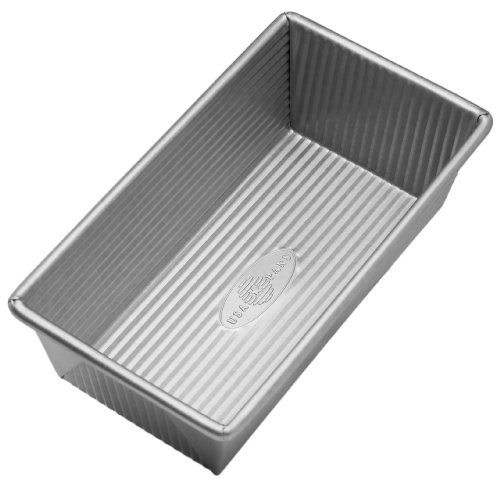
USA Pan’s loaf pan uses a sturdy aluminized steel construction with a proprietary silicone non-stick coating designed to promote easy release and quick cleanup. The pan’s surface is engineered to improve air circulation and even browning, aided by a corrugated texture on the exterior that strengthens the pan and enhances heat distribution. The standard dimensions—roughly 8.5 x 4.5 x 2.75 inches—are a familiar size for classic sandwich loaves and quick breads, and the non-stick coating helps minimize stuck-on batter and crusts. This pan is well-suited for frequent bakers who want reliable performance without heavy maintenance.
As with any non-stick pan, routine care—gentle washing and avoiding metal utensils—helps preserve release properties and extend life. USA Pan’s approach emphasizes durability and consistent results across a range of breads and cakes. The pan is a solid choice for households that bake on a regular basis and appreciate a balance between performance, ease of cleaning, and the reassurance of a widely used non-stick system. It performs well for everything from banana bread to meat loaves and simple sheet-cake applications.
TeamFar 12×5 Stainless Steel Loaf Pan

The TeamFar loaf pan is notably larger, measuring about 12.3 x 5.2 x 3 inches, making it ideal for bigger loaves, nut breads, brownies, or meatloaves that serve more people. Crafted from food-grade stainless steel, it is rustproof and free from chemical coatings, reducing concerns about substances flaking into food. The pan’s straightforward stainless steel construction supports uniform heat distribution and robust durability, with a high-temperature tolerance up to 450°F. This makes it a versatile choice for baking, roasting, and even freezing or storing finished dishes.
Designed for longevity and practical use, TeamFar’s loaf pan emphasizes safety and resilience in busy kitchens. Its non-coated surface offers a straightforward clean-up path and less risk of coating degradation over time. The pan’s size also supports large-batch baking, which is beneficial for families, gatherings, or small bakeries. While heavier than standard 9×5 pans, its durable build, even heat conduction, and dishwasher compatibility make it a convenient option for those seeking a dependable, non-toxic stainless steel loaf pan that can handle a variety of recipes from breads to casseroles.
Buying Guide
Key purchase considerations help buyers choose a non-toxic loaf pan that matches their baking style and kitchen setup. Consider material safety, heat distribution, capacity, oven compatibility, and maintenance needs when evaluating options.
- Material safety and leaching: Stainless steel and borosilicate glass are inherently non-reactive, while ceramic coatings should be PTFE-, PFOA-, and PFAS-free to minimize potential leaching. Cast iron-like designs can provide excellent heat retention but may require seasoning and careful care to avoid rust.
- Heat distribution and thickness: Heavier-gauge pans generally resist warping and deliver even heat. Look for thick walls or reinforced bases that minimize hot spots and ensure uniform crust formation across the loaf.
- Size and capacity: Standard 9×5 inch pans suit typical quick breads, while 12×5 inch pans serve family-size loaves or casseroles. Consider whether you bake multiple loaves at once or prefer larger single loaves.
- Coatings vs. bare metal: Non-stick coatings offer easy release but may degrade over time. Bare stainless steel, glass, or cast-iron-like designs offer durability and simple, long-term safety, though they may require more care during release and cleaning.
- Oven and dishwasher compatibility: Some glass and stainless options are dishwasher safe, while some coatings or cast-iron designs require hand washing. Check maximum temperature ratings to ensure compatibility with your favorite recipes.
- Lids and storage: Pans with lids enable airtight storage and prep efficiency. Consider whether you want a set that doubles as a food-storage solution or a traditional loaf pan for everyday baking.
- Maintenance and longevity: Stainless steel and cast iron-like pans are typically the most durable, but they require proper handling to prevent rust or corrosion. Glass pans offer visibility and easy monitoring but can be heavier and more prone to chipping if mishandled.
- Budget and fit: Prices vary by material and brand. For households prioritizing longevity and non-toxicity, investing in a durable stainless steel or glass pan can yield long-term value through repeated use and reliable results.
In summary, the best non-toxic loaf pan choice depends on your cooking habits and cleaning preferences. Stainless steel pans excel in durability and safety, glass pans emphasize visibility and storage versatility, ceramic-coated options reduce sticking with a non-toxic stance, and cast-iron-inspired designs deliver superior heat retention. By evaluating material safety, size needs, and maintenance, you can select a pan that aligns with your household’s baking goals and supports healthier cooking practices for years to come.