Best Mattresses for Sciatica: Comfort, Support, and Pain Relief
People with sciatica often seek mattresses that balance support with pressure relief. The following five products were chosen for memory foam construction, cooling features, and firmness options designed to help reduce pressure and promote proper spinal alignment. This guide explains how materials, layers, and design influence comfort and long-term relief, with practical considerations for choosing the right fit.
| Product | Size | Key Feature | Firmness |
|---|---|---|---|
| Best Choice Green Tea Charcoal Memory Foam Mattress | Queen (12″) | Charcoal Gel + Green Tea Infusions | Medium-Plush |
| Best Price 4-Inch Ventilated Topper | King (Topper) | Ventilated Memory Foam with Cooling Gel | Pressure-Relieving |
| DynastyMattress CoolBreeze Extra Firm Queen | Queen (10″) | Gel Memory Foam Layers with Sleep Cool Tech | Extra Firm |
| Siena 8” Twin XL Memory Foam Mattress | Twin XL (8″) | 1.5″ Memory Foam Top Layer; 180-Night Trial; 10-Year Warranty | Medium Firm |
| Mellow 4-Inch 5-Zone Memory Foam Topper | Queen (4″) | 5-Zone Support with Gel Infusion | Pressure-Relieving |
Best Choice Green Tea Charcoal Memory Foam Mattress
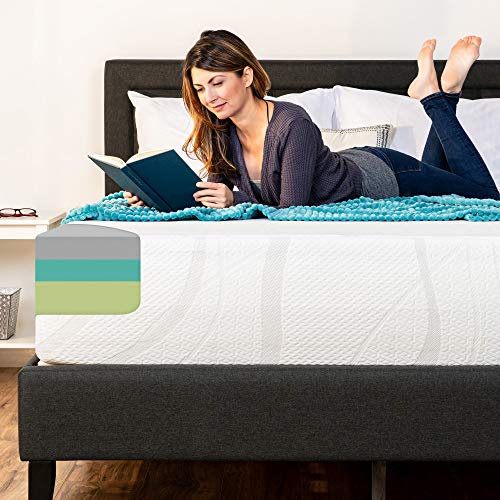
The Best Choice green tea charcoal mattress integrates a moisture-wicking charcoal gel layer with gel-infused memory foam. The charcoal helps regulate temperature, absorb moisture, and reduce odors, while the green tea layer acts as a natural deodorizer. The memory foam is finished with a medium-plush comfort layer that provides a soft sleeping surface without sacrificing core support, which can help distribute weight away from pressure points. This combination aims to ease hip and shoulder pressure while maintaining spinal alignment.
For sleepers dealing with sciatica, the multi-layer design concentrates contouring where needed and supports the body through the midsection. The medium-plush feel typically suits back sleepers and many side sleepers seeking a balance of softness and support. A fiberglass-free construction contributes to safer, low-irritant sleep environments. This model is a solid option for those who want warmth and comfort without overheating, though individuals who prefer firmer support might prefer other options in this guide.
Best Price 4-Inch Ventilated Cooling Topper
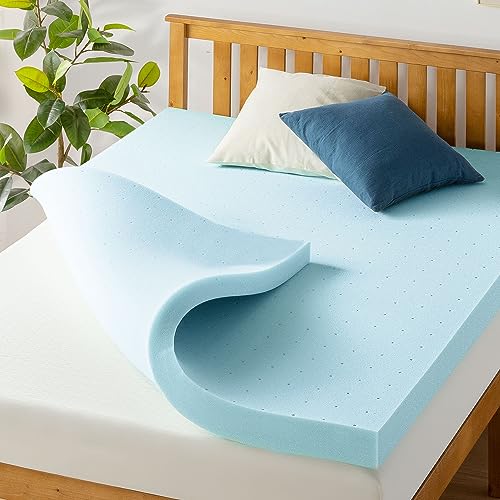
This topper is a four-inch layer of memory foam designed to refresh an existing mattress. It features a ventilated design to promote airflow and cooling, along with cooling gel infusion to help prevent heat buildup. For individuals living with sciatica, adding a topper can create a more contouring, pressure-relieving surface without needing a full mattress replacement. It’s particularly helpful when the base mattress is firm but not too hard, or for dorm and guest setups where the goal is to upgrade comfort on an affordable budget.
The topper is CertiPUR-US certified, indicating tests for emissions and materials safety. While a topper can improve comfort and reduce pressure in targeted zones, it does not replace a mattress’s essential support. It’s best used on a mattress that already offers strong support but lacks the desired conforming feel. Use with caution on very soft mattresses, which may feel too plush with this topper, reducing alignment for some sleepers.
DynastyMattress CoolBreeze Extra Firm Queen
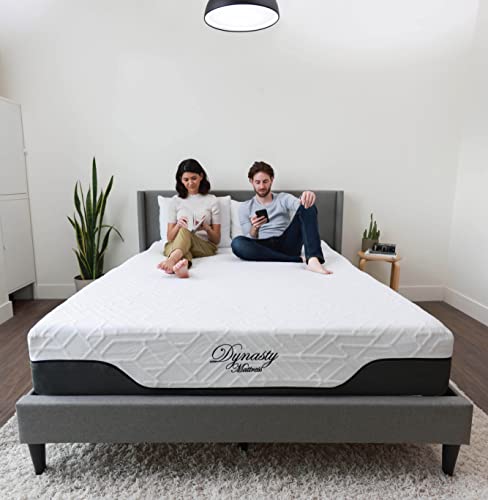
The DynastyMattress CoolBreeze Queen combines a gel memory foam top layer with a high-density foam base to create an extra-firm feel that still offers contouring. The 2.5-inch gel memory foam layer works with Sleep Cool Technology to help manage heat, while a 7.5-inch dense foam core supports the body’s edges and center for improved alignment. A 5-pound layer of gel-infused open-cell memory foam contributes to cooling and overall pressure relief, making this option suitable for those who sleep hotter or need firmer support to control spinal alignment during the night.
Sciatica-conscious sleepers often benefit from firmer bases that keep the pelvis and spine aligned. This mattress emphasizes edge support and a tighter feel, which can limit sink-in depth and promote stable spinal posture. It’s a practical choice for back sleepers who prefer a more solid surface, though combination sleepers or side sleepers may prefer a softer option for extra hip relief. The overall construction targets cooling, durability, and long-term support, supporting daily comfort and reduced wake-ups from discomfort.
Siena 8” Twin XL Memory Foam Mattress

The Siena Twin XL offers four comfort layers centered on supportive, pressure-relieving performance. A 1.5-inch memory foam top layer adapts to individual curves, helping to relieve pressure points along the spine while maintaining appropriate alignment for many sleep positions. The mattress is supported by a denser underlying core designed to minimize motion transfer and improve sturdiness. Siena emphasizes value with features like an 180-night home trial and a 10-year manufacturer warranty, reinforcing confidence in its long-term comfort and durability.
For sciatica, the medium-firm profile helps balance contouring with support. The 8-inch profile provides adequate depth to support the hips and lower back without excessive sagging, which matters for sleepers who experience nerve-related discomfort. The combination of memory foam feel and a supportive base can help reduce wake-ups caused by pressure buildup, while the trial period allows customers to verify comfort in their preferred sleep positions before fully committing.
Mellow 4-Inch 5-Zone Memory Foam Topper

This Mellow topper adds a four-inch layer with five distinct zones to target different parts of the body. The zoned design provides localized support for shoulders, hips, and legs, which can help improve spinal alignment and reduce pressure buildup in sensitive areas. Gel infusion promotes cooling and helps prevent heat from trapping beneath the sleeper. Because toppers alter only the surface rather than the entire mattress structure, they are a practical option for adjusting comfort on a mattress that doesn’t quite meet sciatica-specific needs.
While a topper can enhance comfort, it does not replace a full mattress’s core support. This option is ideal for sleepers who want to customize firmness and contouring without purchasing a new bed. It is particularly suitable for dorm rooms, guest rooms, or for those who already own a firmer mattress but need additional pressure relief around the hips and shoulders. The combination of zone-based support and cooling infusion can contribute to a calmer night’s rest for many back and side sleepers affected by sciatica.
Buying Guide
Key considerations for sciatica sleep
People with sciatica benefit from mattresses that prioritize spinal alignment and targeted pressure relief. A medium-firm to firm overall feel often helps keep the hips and lower back in line while still providing some contouring to reduce pressure at joints. Layered foams with memory foam or gel-infused materials can offer the necessary combination of support and comfort. Temperature regulation is also important, as overheating can disrupt sleep and exacerbate discomfort.
Mattress vs topper: when to choose what
A full mattress delivers comprehensive support and long-term durability. If existing sleep surfaces are too soft, sagging, or misaligned, a full mattress replacement may be warranted. A topper, on the other hand, adjusts the feel of an existing bed and is a cost-effective option for adding pressure relief or cooling. For some, a topper can bridge the gap while testing a firmer or more contouring setup before purchasing a new mattress.
Firmness, support, and spinal alignment
Firmness levels vary by product and body weight. For many with sciatica, a medium-firm profile provides a balance between contouring and support. Those who sleep primarily on their back or stomach may benefit from more firmness, while side sleepers or those with particularly sensitive pressure points may prefer slight plushness. Look for products that emphasize edge support and a stable central zone to help maintain proper spinal alignment and minimize nightly repositioning.
Temperature control and materials
Gel-infused memory foam, charcoal-infused layers, and other cooling features help manage heat, which can influence comfort for people with sciatic pain. Materials that wick moisture and provide open-cell structures typically promote airflow and faster dissipation of body heat. Certifications like CertiPUR-US can offer reassurance about emissions and safety in foams used for sleep surfaces.
Certifications, trials, and warranties
Certifications indicate safer materials, while trial periods let sleepers test how a surface supports their spine and pressure points. Longer warranties can provide confidence in durability and ongoing support. When evaluating five products, consider whether a trial period is lengthy enough to judge long-term comfort with your sleep position and weight distribution. Warranties often cover defects and lasting performance, which matters for investment pieces like a good mattress for sciatica care.
Size considerations and compatibility
Choose a size that matches your bedroom space and sleeping partners. Twin XL, Full, Queen, King, and California King each offer different dimensions and weight capacities. For couples, choose a surface with good motion isolation to minimize disturbances when one person moves. If you often sit on the edge, edge support becomes a practical factor in overall comfort and spine maintenance.
Care, maintenance, and longevity
Regular rotating or flipping (when applicable), mattress protectors, and proper cleaning extend lifespan and comfort. Foam surfaces can retain heat if not ventilated, so topping layers or choosing breathable covers can help. Consider the expected durability of materials and the ease of replacement or compatible accessories when planning long-term use for sciatica relief.