In this guide
- Howard Feed-N-Wax Wood Polish
- Milsek Antiques Polish & Cleaner
- Bee’s Wax Old World Formula Polish
- Daddy Van’s All Natural Beeswax Polish
- Briwax Antique Mahogany Polish
- Buying Guide
- Wax-Based vs Oil-Based Polishes
- Safety, Sustainability, And Surface Compatibility
- Application And Maintenance Techniques
- Multi-Surface vs Item-Specific Care
- Testing And Longevity
Antique furniture deserves careful care to preserve its character and value. The right polish protects delicate finishes while reviving depth and warmth in wood and other surfaces. This guide highlights five top Amazon picks that are well-suited for antiques, focusing on natural waxes, gentle cleansers, and non-toxic formulations. Each option balances restoration with protection, helping furniture retain its timeless charm without harsh chemicals or buildup.
When selecting a polish for antiques, consider wax-based versus oil-based formulas, scent and VOC content, surface compatibility, and ease of application. The products below emphasize natural waxes like beeswax and carnauba, proteins for conditioning, and cleaners that remove grime without stripping finish. Always test in an inconspicuous spot before full use and follow manufacturer directions for best results.
| Product | Brand | Key Benefit |
|---|---|---|
| Howard Feed-N-Wax Wood Polish | Howard | Enhances natural grain with beeswax, carnauba, and orange oil |
| Milsek Antiques Polish & Cleaner | Milsek | All-in-one polish and cleaner with high oil content for antiques |
| Bee’s Wax Old World Formula Polish | The Original Bee’s Wax | Multi-surface polish with fingerprint-free finish |
| Daddy Van’s Beeswax Polish | Daddy Van’s | All-natural, food-safe, unscented conditioning and protection |
| Briwax Antique Mahogany Polish | Briwax | All-natural beeswax and carnauba with finish protection |
Howard Feed-N-Wax Wood Polish
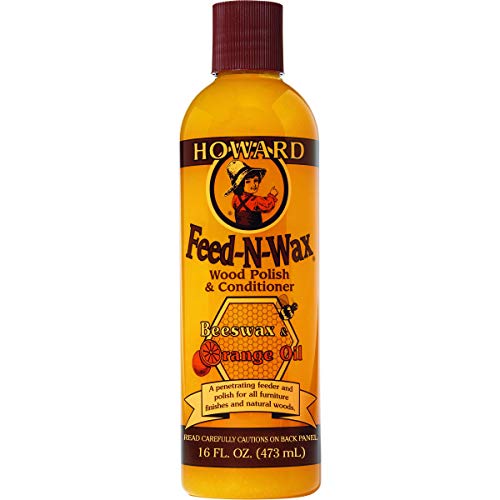
Howard’s Feed-N-Wax is a classic blend designed for wood furniture polish and conditioning. The formulation combines beeswax, carnauba wax, and orange oil to highlight grain while nourishing the wood. It creates a protective layer that helps resist drying and cracking, making it suitable for delicate antique surfaces that benefit from gentle, non-abrasive care.
Key features include a natural enhancement of color and depth, a protective wax coating to shield against small dings, and versatility for use on dining tables, cabinets, and other wooden pieces. The orange oil adds a pleasant citrus note without overpowering older finishes. When applying, a small amount on a soft cloth distributes evenly to avoid buildup.
- Enhances natural grain with a wax blend and orange oil
- Provides a protective coating with carnauba and beeswax
- Suitable for antiques, tables, and cabinets; leaves a refined finish
Milsek Antiques Polish & Cleaner

Milsek Antiques & Restoration Polish & Cleaner offers a two-in-one approach—cleaning and restoring antique finishes in a single step. The formula is formulated with ample natural oils to deeply nourish aged wood, helping to preserve warmth and character while reducing the appearance of minor imperfections. It’s designed to be easy to use and suitable for heirloom pieces that demand gentle care.
The oil-rich composition helps restore luster and depth, making it a practical option for heirloom cabinets, tables, and decorative wood pieces. Regular use can slow the aging process by maintaining moisture and reducing minor cracks or dull patches. Always follow a patch test to ensure compatibility with delicate finishes.
- All-in-one cleaner, polish, and protector
- High oil content to nourish antiques
- Erases minor blemishes and restores luster
Bee’s Wax Old World Formula Polish
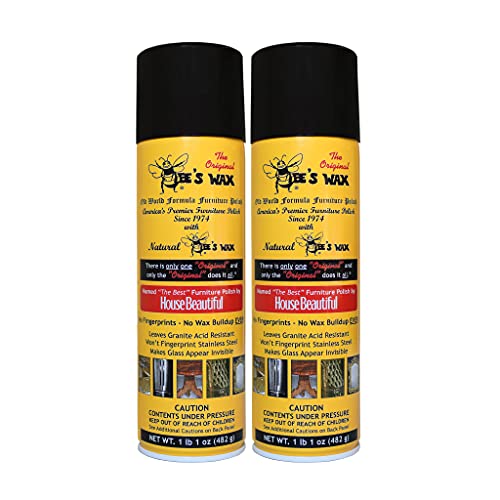
The Original Bee’s Wax Old World Formula is a versatile polish designed for multiple surfaces, including wood, leather, marble, and metal. It provides a protective, fingerprint-free finish with a light, durable coat that resists smudges. This makes it a practical choice for antiques with mixed materials or surfaces that require careful handwork to maintain original charm without buildup.
Its multi-surface approach can simplify care routines for households with various antique items. The formula is designed to minimize fingerprints and avoid heavy wax accumulation over time, which is beneficial for preserved finishes that could be compromised by frequent rewaxing. Always apply sparingly and buff gently for a consistent result.
- Multi-surface polish with fingerprint resistance
- Leaves no wax buildup over time
- Safe for wood, leather, and stone surfaces
Daddy Van’s All Natural Beeswax Polish
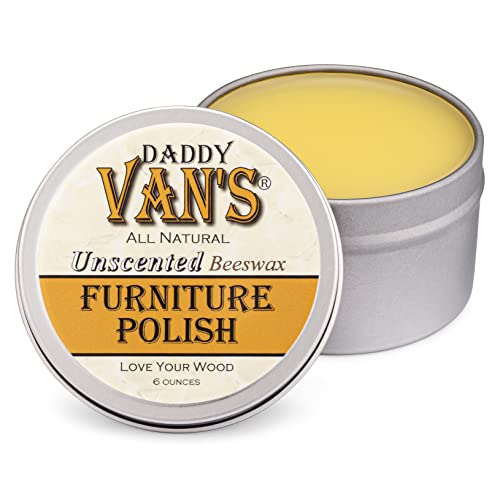
Daddy Van’s All Natural Beeswax Furniture Polish emphasizes an all-natural composition with 100% beeswax and carnauba wax. It nourishes, protects, and restores wood surfaces without harsh chemicals. The unscented, zero-VOC formula is suitable for kitchens and food-contact surfaces such as butcher blocks and wooden utensils, expanding its utility for antique kitchens or dining sets.
The polish is designed to restore beauty and improve finish durability while avoiding toxic residues. It helps reduce dryness and minor scratches by conditioning wood surfaces and leaving a natural-looking sheen that does not overpower the piece’s aged patina. Use sparingly and buff with a soft cloth for an even result.
- All-natural beeswax and carnauba wax formula
- Food-safe, unscented, zero-VOC
- Restores and enhances wood beauty; conditioning and protection
Briwax Antique Mahogany Polish

Briwax Antique Mahogany Polish blends beeswax and carnauba in a traditional formula ideal for restoring and maintaining antique finishes. The antique mahogany designation signals its suitability for darker woods and historic veneers, helping to guard against drying and moisture while enriching color and depth. The product is all-natural, making it a favorable choice for collectors seeking a genuine wax-based care option.
Application is straightforward: a thin coat buffed to a soft sheen can refresh dull surfaces and help prevent the gradual dulling that comes with aging. Briwax’s approach is well-suited for older pieces that benefit from careful, slow polishing with minimal residue. Test on a hidden area if the piece has a delicate or questionable finish.
- Antique mahogany-focused wax polish
- Beeswax and carnauba-based all-natural formula
- Prevents finish damage from oils and salts
Buying Guide
Wax-Based vs Oil-Based Polishes
Wax-based polishes, often featuring beeswax and carnauba, provide a protective layer and a warm glow that suits antiques with aged finishes. Oil-based formulas deeply condition without leaving a heavy wax layer, helping to restore moisture and reduce cracking. For heirloom pieces, a wax-based product is typically preferred to maintain a lasting surface barrier, while occasional oil-based treatments can rehydrate very dry wood.
Safety, Sustainability, And Surface Compatibility
Choose products labeled as natural, non-toxic, and low-VOC when possible. Consider the surface types on your antique collection—wood, leather, marble, and metal each respond differently to cleaners and polishes. Test on a hidden area to confirm there is no unanticipated change in color or texture. For pieces with shellac, lacquer, or old varnish, start with milder formulas and avoid silicone-containing products that can hinder refinishing later.
Application And Maintenance Techniques
Apply sparingly with a soft cloth, in a circular or back-and-forth motion, then buff to a gentle luster. Use a microfiber cloth for best results and to minimize residue buildup. For frequent care, develop a light maintenance routine—periodic dusting followed by a quick polish session—rather than deep rewaxing too often, which can dull or cloud older finishes.
Multi-Surface vs Item-Specific Care
Some products are designed for multiple materials (wood, leather, stone). If your antiques include non-wood surfaces, select a product that safely addresses those materials or use separate cleaners suited to each surface. When in doubt, prioritize wood-specific polishes for furniture pieces with aging wood tones and delicate veneers.
Testing And Longevity
Always perform a patch test on an inconspicuous area before applying to the entire piece. Even natural formulas can alter color or texture on certain finishes. For longevity, follow the manufacturer’s recommended frequency—some antiques benefit from a quarterly shine, while others require only biannual touch-ups to preserve patina.