In this guide
Choosing the right flooring and acoustic setup is essential for a recording space. The goal is to minimize reflections, control room tone, and create a comfortable workspace. The following picks blend acoustic treatment and portable solutions to suit home studios, mobile projects, and professional setups. Each option focuses on reducing echo, improving vocal clarity, or protecting flooring in busy recording environments.
| Product | Brand | Focus | Key Benefit |
|---|---|---|---|
| TroyStudio Acoustic Foam Panels | TroyStudio | Acoustic Treatment | High-density foam with diffusion pattern to cut reverb and balance room tone |
| Snap Studio Portable Recording Booth | Snap Studio | Porta booth | Premium sound isolation with dense blankets for dry vocals on the go |
| RDCMKL Portable Recording Booth | RDCMKL | Foldable vocal booth | Compact, travel-friendly booth for echo-free studio-quality sound |
| TroyStudio Portable Vocal Booth | TroyStudio | Foldable isolation box | Dense foam reduces reflections and noise while staying portable |
| Cepere Studio Floor Rugs | Cepere | Flooring accessory | Soft, anti-slip area rug with subtle diffusion to soften footstep reflections |
TroyStudio Acoustic Foam Panels

TroyStudio offers 12 x 12 x 3 inch acoustic foam panels in a diffusion pattern, sold as a 12-piece pack. These high-density panels are designed to absorb sound with a focus on reducing echo and standing waves in recording spaces. The diffusion design helps scatter sound energy, creating a more balanced room tone and clearer recordings. The panels are described as flame retardant and odorless, aligning with safety and comfort considerations in studio environments. NRC (Noise Reduction Coefficient) is listed at 0.9, indicating strong absorption across a range of frequencies.
In practice, these foam panels can be mounted on walls or ceilings to address early reflections that negatively affect vocal clarity. They are lightweight enough for home studios yet dense enough to withstand repeated use. While they aren’t a complete room treatment system, they form a solid foundation for improving sound quality without extensive remodeling. For studios with limited wall space, the diffusion pattern helps prevent a boxy sound while maintaining a clean, dry vocal image.
Snap Studio Portable Recording Booth

The Snap Studio portable recording booth is marketed as the #1 recommended portable vocal booth, with Rolling Stone recognizing it for delivering crisp, dry vocals at home or on the road. The booth uses heavy-duty Pro Sound insulation blankets—reportedly up to 75% heavier than competing materials—to reduce reverberation and block external noise. A key feature is its all-in-one kit approach, including wireless LED lighting, a versatile phone/tablet holder, a lightweight frame, and a storage bag, all designed to support a compact, professional-grade vocal space. Accessories may vary in style or color.
In use, the Snap Studio creates a self-contained acoustical cocoon that minimizes room reflections. It is particularly useful for voiceover work, podcasts, and singing when a traditional untreated room would otherwise produce echo and spill. While the setup is not a permanent floor solution, it offers a practical, portable upgrade for spaces where dedicated studio booths are impractical. Its design emphasizes mobility, quick deployment, and a focused vocal image that translates well to home studios and on-the-road projects.
RDCMKL Portable Recording Booth

The RDCMKL portable recording booth presents a complete, foldable home recording studio solution with a travel bag. This setup targets echo-free, studio-quality sound in flexible environments, making it suitable for voiceovers, podcasts, and music production. The foldable frame and compact footprint support quick assembly and transport, ideal for mobile recording sessions or rooms with limited space. The included design emphasizes effective sound isolation and ease of use, enabling users to achieve clean vocal tracks without the need for a dedicated, permanent booth.
From a practical perspective, the RDCMKL booth addresses common studio challenges, including reverb and ambient noise. Its portability can be a decisive factor for individuals who frequently relocate between recording sites or who want a temporary solution for apartment spaces. While it may not replicate a full professional studio’s acoustics, it provides a credible, budget-conscious option for achieving dry vocal takes with minimal setup time and disruption.
TroyStudio Portable Vocal Booth

The TroyStudio portable vocal booth is designed as a large foldable isolation box with thickened dense acoustic foam. It targets significant reductions in echo and reflections for desk and stand use, enabling clearer vocal capture. The inside surfaces are lined with 2-inch thick foam, specifically chosen to improve resonance control for varied recording setups. The design includes practical cable access and a reinforced structure intended to stay sturdy during repeated folding and deployment, offering a balance between portability and acoustic performance.
Users benefit from a compact footprint that can fit on a desk or stand, making it a viable option for small home studios or treatment-focused spaces. While not a full room treatment, this booth concentrates sound isolation around the microphone, which can help deliver a dry, focused vocal sound without substantial room adjustment. It’s well suited for solo vocalists, podcasters, and voice actors seeking quick improvements to vocal clarity.
Cepere Studio Floor Rugs
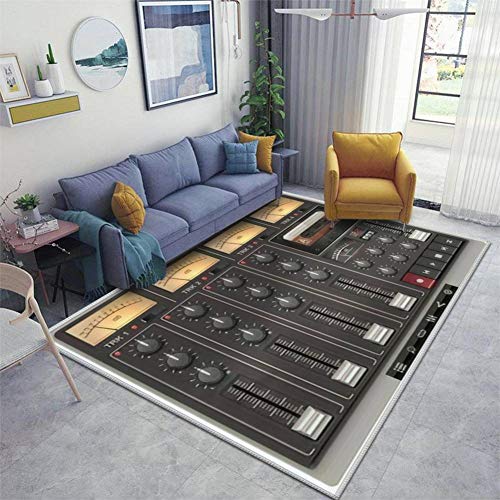
The Cepere area rug is a large, soft floor covering designed for living spaces, but it can contribute to studio acoustics by absorbing high-frequency reflections and reducing floor bounce. The rug size is substantial (71×106 inches / 180×270 cm), and it features soft polyester material with an anti-slip bottom. The combination of dense texture and a stable base can help dampen footsteps and surface noise, creating a quieter baseline for vocal or instrument recordings. While not a dedicated acoustic treatment, a quality rug can complement wall-based panels and booths in a home studio setup.
In practice, this rug can serve as a flexible flooring option for rooms that require both comfort and sound control. It’s particularly useful for multi-purpose spaces where you want a comfortable working surface without sacrificing acoustic performance. For studios, pairing this rug with foam panels or portable booths can contribute to a more balanced acoustic environment while preserving room aesthetics.
Buying Guide
Key Purchase Considerations
- Room purpose and acoustics: Assess whether you need wall absorption, a portable booth, or a floor solution to reduce reflections and echo.
- Floor impact and insulation: Consider how a rug, foam panels, or a booth affects foot traffic, vibrations, and sound isolation.
- Acoustic treatment vs. isolation: Distinguish between treating room acoustics (foam, panels) and isolating the sound source (booths). A combination often yields the best results.
- Portability and setup time: If you relocate often, prioritize lightweight, foldable options with simple assembly.
- Gear compatibility: Ensure foam thickness, booth dimensions, and mounting options align with your mics, stands, and furniture.
- Durability and safety: For foam, check flame retardant ratings and odor characteristics. For booths, verify frame stability and fabric quality.
- Aesthetics and room design: Choose products that align with your studio’s look while delivering sound benefits.
Comparisons And Use Cases
- Ideal for permanent home studios: Wall foam panels plus a compact vocal booth create a controlled vocal chain with manageable room acoustics.
- Ideal for mobile or multi-room setups: A portable booth paired with a soft floor rug provides flexible space for on-location gigs or quick home recordings.
- Best for budget-conscious acoustic upgrades: Start with a robust foam panel kit and add a floor rug to dampen high-frequency reflections without major construction.
- Best for multi-user spaces: Combine booths for isolation with rugs and panels to maintain a balanced overall sound environment for different voices and instruments.